Armassin
Overview
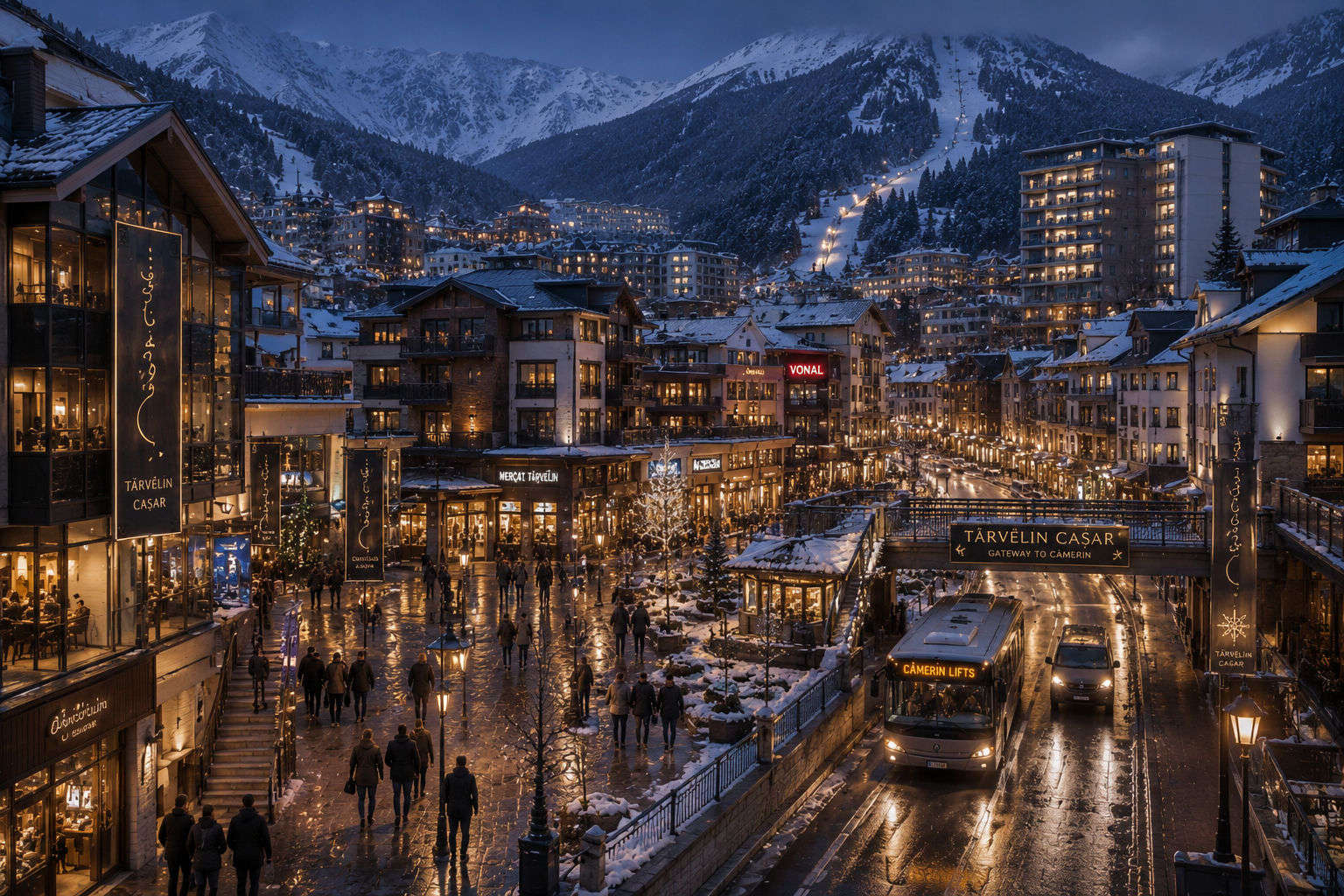
Armassin is a northern highland region of Canassar, characterized by mountainous terrain, cold maritime climate, and a cultural habit of quiet, lived-in refinement. It counts among the country's five historical regions and is widely treated as the geographic and symbolic "northern frontier," with full integration into national infrastructure and a dense lattice of towns, ports, and mountain industries. Hällarim wits still caricature the highlands as a "northern outback," yet the same territory supports engineering-heavy industry, winter tourism, and year-round services comparable to other regions, with the Cämërin range supplying the most legible landmark on weather maps and road signage.
Geography
Defense archives and coastal survey memoirs describe Armassin as a belt of ranges, forested valleys, and steep inlets across the northern quadrant. The Cämërin massif structures movement: ridgelines and passes disaggregate columns and freight convoys while still admitting valley towns, sheltered inlets, and maintained highways along defensible corridors. Climatological yearbooks grade the coast cold-temperate and high spurs toward subarctic norms, with reliable winter snow, persistent onshore wind, and frequent low cloud; settlement concentrates in leeward valleys and pocket harbors where winter maintenance routes receive priority funding.
Culture
Armassin culture is often described as reserved but deliberate: craft and wage labor reward precision, reliability counts for more than display, and conversation stays close to the task. Architecture, kitchens, and daily dress follow the same rule—roofs pitched for snow load, stocks that tolerate long simmers, speech trimmed to what the weather or contract requires. Court-facing etiquette from Hällarim circulates on national radio, but Armassin borrows its forms sparingly and reworks them for workshop, slope, and quay; local stock phrases praise refinement that is "maintained rather than displayed," and identity is renewed through habit, repetition, and technical competence more than through spectacle.
History
Military archives of the Great Northern War record prolonged northern resistance coordinated from dispersed upland and coastal nodes against Cënasa expansion; staff studies cite terrain and settlement fragmentation as factors in delayed consolidation timelines. Education Ministry syllabi and municipal observances such as Nima Tënin still bracket the war in civic calendars, while labor-office bulletins and road-maintenance notices show everyday discourse anchored in closure lists, barometric trend tables, and seasonal hire notices.
Economy
Regional accounts file marine repair and fabrication, structural metals and engineered timber, wind and selected geothermal plants, and winter ski traffic amongst its principal revenue streams. Export inspection labels and procurement annexes market yard and factory output on endurance under salt spray, ice loading, and vibration; foreign purchasers recurrently treat Armassin conformance marks as proxies for extended service intervals in harsh duty classes.
Tourism
Armassin ranks among the country's principal winter destinations, centered on the Cämërin system. Regional policy and cooperative marketing stress environmental coherence, moderate lift capacity, and lodging that avoids theatrical luxury, foregrounding calm forest runs, low-key lodgekeeping, and integrated public bathhouses; the supporting roads, avalanche works, and power feeds are extensive but deliberately low-profile.
Mount Cämërin
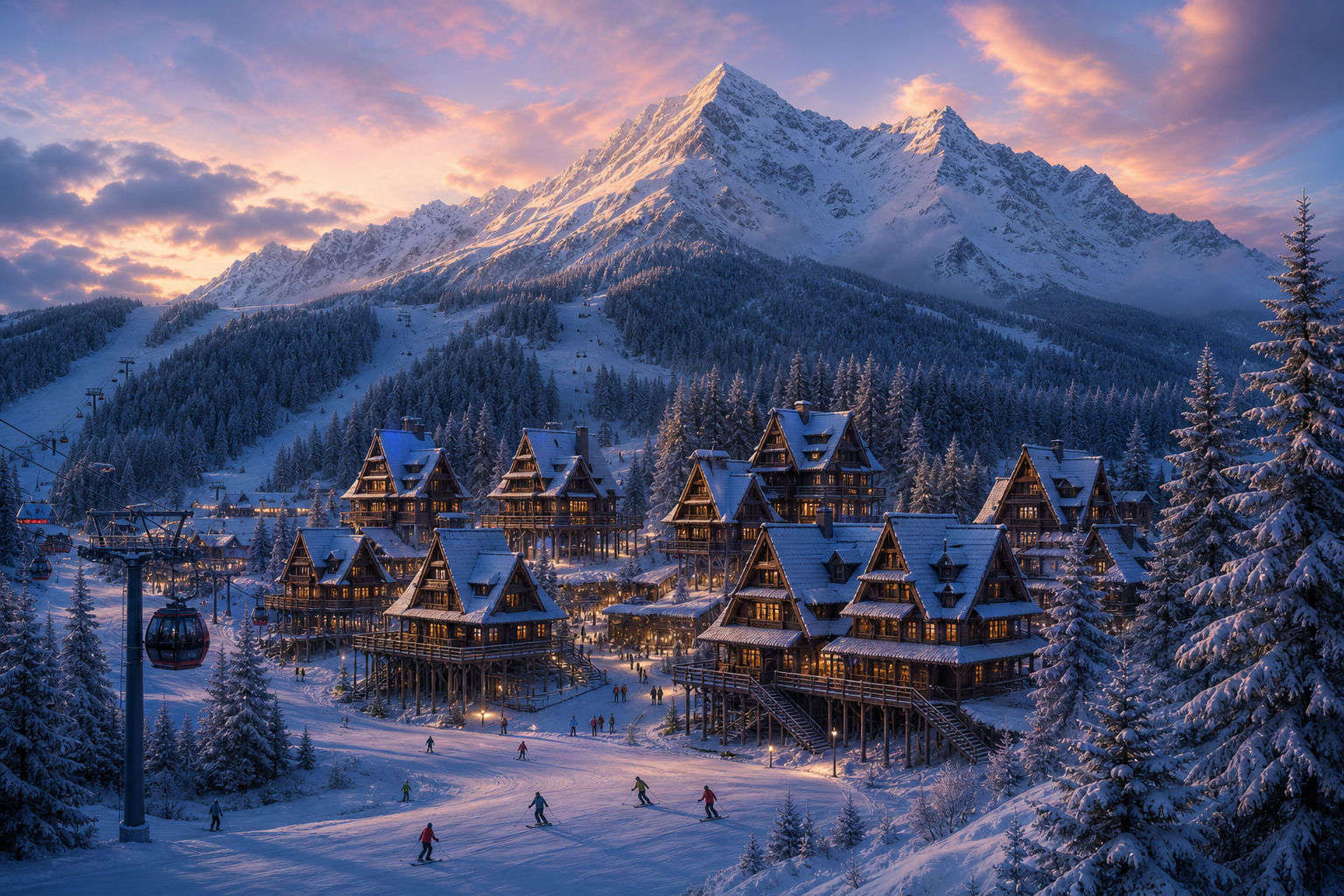
Mount Cämërin (Canassarene: Ţäl Cämërin) is the highest peak in the Armassin region and one of the most prominent mountains in Canassar, rising to approximately 3,000–3,200 meters above sea level. It presents as a broad, ridge-dominated massif with diffuse summits along the main crest: lower forest gives way to wind-worked alpine benches that meteorological logs often list as obscured, then briefly clear to reveal layered northern panoramas.
Road maintenance diaries, bus destination boards, and demir notice sheets reference the massif through operational glosses ("clear," "open," "visible") as frequently as through scenic vocabulary; ridge highways carry forest-industry haulage and commuter vans on schedules aligned with daylight and wind warnings. Winter sport dominates winter traffic—forested runs, variable ceiling heights, and gradual pitch gradients suit training regimens—while summer permits enumerate hiking parties, alpine floristics courses, and environmental monitoring detachments sponsored by valley institutes.
Eryth Cämërin
Eryth Cämërin is the principal resort town at the base of Mount Cämërin and the largest winter tourism hub in Armassin, combining the main lift base, residential quarters, and hospitality strips for the Cämërin Ridge ski domain. It attracts a higher share of international visitors and second-home owners than other Armassin settlements yet keeps Armassin roof pitches, timber-stone walling, and joinery curves consistent with regional vernacular, often elevated or reinforced against snow creep and wind.
The town clusters lifts, rental halls, lodges, hotels, high-end dining rooms, and public bathhouses within walking distance of snow frontage; steam from sauna blocks and the muted lighting of equipment barns are as much a part of the visitor circuit as the runs themselves. Marketing stresses a balanced, non-performative model—strong skiing, quiet social space, and bath-and-kitchen culture integrated into the same itinerary—aimed at travelers who want alpine sport without the footprint of the largest global resort brands.
Cämërin Ridge
Cämërin Ridge is the primary ski domain tied to Mount Cämërin, linking beginner-through-expert routes, extensive tree skiing, and open bowls under one patrol network; lift lines and connector trails are laid out to favor long traverses so that the domain reads as a single continuous landscape rather than as isolated pods. Snowfall stays reliable, light is diffuse under the usual cloud deck, and brief clearances reward attentive skiers with sudden, wide-angle sightlines—conditions that built the reputation for "readable" terrain that punishes inattention but forgives honest line choice.
Within Canassar the ridge is treated as a premier domestic destination; foreign ski journalism generally classifies it as a coherent, mid-scale integrated environment that keeps cut-and-fill modest relative to vertical drop.
Careţ Vonal
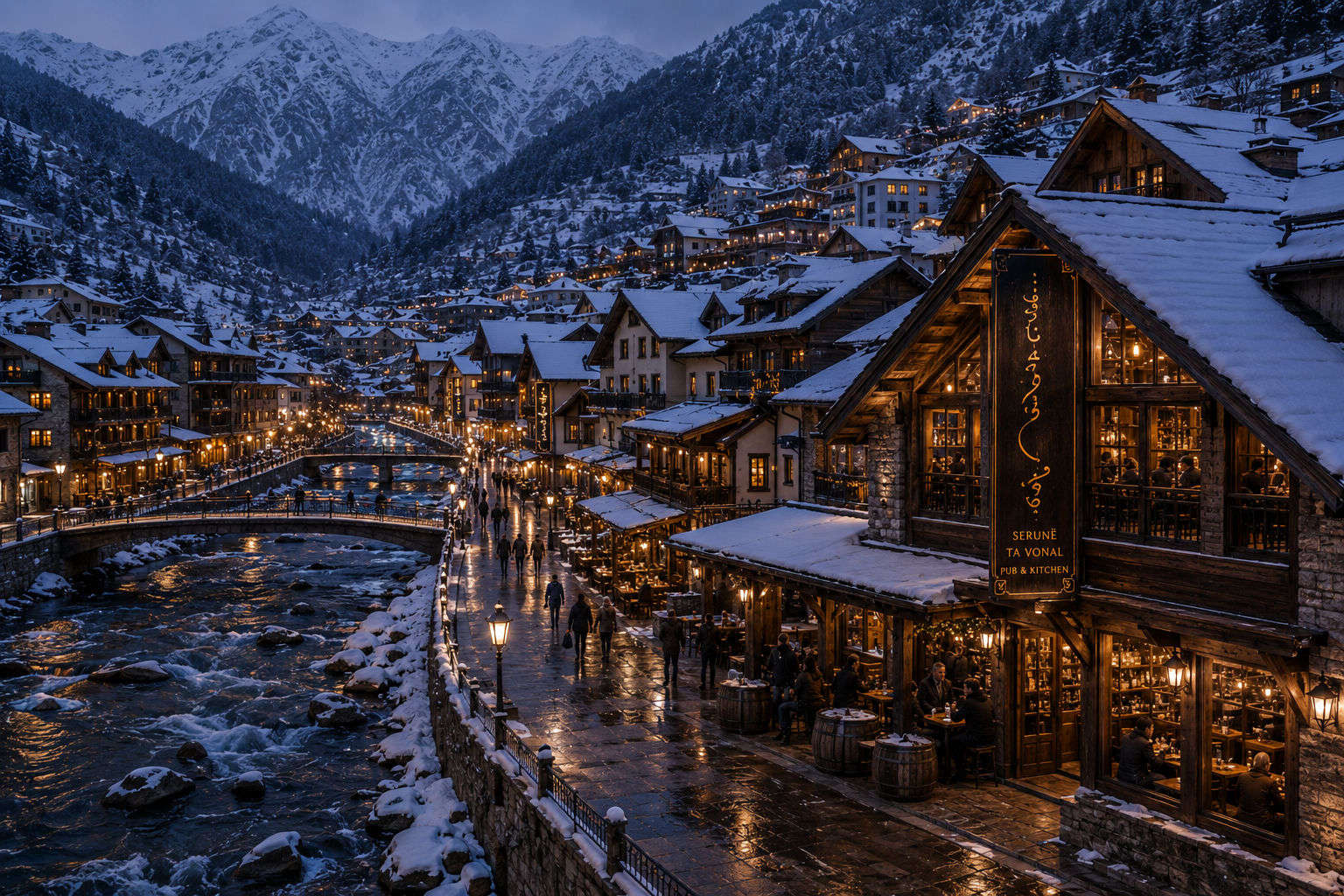
Careţ Vonal is a mid-sized town (Canassarene: demir, "borough") in the Armassin region, along a protected coastal inlet beneath the Cämërin highlands, functioning as a hub for maritime industry, district administration, and everyday retail. The toponym is usually parsed as careţ (ridge, boundary, or edge) plus vonal (harbor line, quay, or alignment), pointing to the narrow strip where mountain shoulder meets working waterfront; in scale and services it resembles secondary North Atlantic port towns—dense enough for clinics and secondary schools, small enough that harbor noise carries to the main street.
Forest slopes roll down to a tight harbor basin framed by low coastal ridges, evergreen cover, and working piers; partial lee from open ocean swells keeps yards busy even when winter gales rake the outer headlands. Winters bring reliable snow and ice on the approaches, summers stay cool and mist-prone, and spring and autumn specialize in low cloud that smudges the boundary between ridgeline and tide flat.
Medieval records describe Careţ Vonal as a staging hamlet for carters crossing the Cämërin passes; during the Great Northern War its wharves handled controlled movement of supplies and wounded without absorbing the heaviest sieges, helping prolong northern resistance. Modern growth came through ship repair halls, cold-storage cooperatives, and incremental municipal rezoning rather than through sudden speculative towers.
The town wraps a compact harbor with an inland spine of timber-and-stone housing, mid-density shop streets, and dock sheds left visually honest—steep tiered roofs, minimal ornament, structure left readable. Municipal cleanliness inspections score high; residents gloss the result as "well-kept without being curated," and social life follows suit: cafés, demir notices, and intertidal walks carry more weight than nightclub marquees, while visitors are folded in slowly through repeat berths and repeat orders rather than through ceremony.
Kitchens favor preserved fish, slow-simmered roots, and precise salting; Serunë Ta Vonal and a handful of peer restaurants export that ethic to dining rooms that stay quiet enough for conversation.
Coastal highways and inland feeders tie Careţ Vonal to neighboring coves and to the Cämërin access roads; scheduled buses and seasonal rail supplements reach Hällarim when passes stay open, though storms still cancel runs with enough regularity that locals budget extra days into travel plans. The town doubles as overflow lodging and staging for skiers who prefer a working harbor to the resort bustle of Eryth Cämërin, and Interior district briefings cite it as a dependable seat where utilities, courts, and coast-guard liaison offices operate on steady calendars—an Armassin settlement in the practical sense first, the picturesque sense second.
Modern identity
In domestic political geography Armassin is commonly glossed as the country's "northern frontier," a tag tied to ridge visibility registers, winter road discipline, harbor demirs such as Careţ Vonal, and ski domains filed under the Cämërin name. The tag carries no constitutional definition; it persists chiefly in journalistic copy, school wall maps, and inter-regional guide appendices, where it sits beside, rather than replaces, stock labels other regions claim for metropolitan ceremony, southern ferry traffic, or inland orchard belts.