Naira Nature Reserve
Overview

Naira Nature Reserve is a nationally protected ecological reserve in the southwestern lowlands of Canassar, occupying the coastal wetland province south and west of Maruen and west of Vërunar at the island's southwestern extremity (runoff and stormwater from northwestern ridges still reach the basin through shared watersheds, so policy treats Hälvarinco demirs as upstream partners even where the reserve boundary follows Maruen or littoral lines rather than a single continuous ridge). The reserve encompasses one of the largest intact wetland–forest ecosystems in Canassar and is regarded as one of the country's most significant environmental preservation zones. Governance sits with national environmental authorities so zoning, hydrology, and enforcement stay aligned across the whole basin, while staff coordinate routinely with demirs along the Hälvarinco and Maruen interfaces on roads, stormwater, and emergency access; marsh systems, slow-moving freshwater networks, temperate forests, and flagship species—including the şifayën ("pure-wing cranefly"), Aryare egret, and seyhindäl flowering shrub—anchor both research agendas and public education. Within Canassar, Naira is often treated as a scientific benchmark for environmental health and as a durable emblem of land held under long-term protection.
Geography
Naira occupies a broad lowland basin on the southwestern coast, and consists of freshwater marshes, reed wetlands, shallow lake systems, forested riverbanks, peat-rich floodplains, and temperate woodland corridors. Runoff from uplands in Hälvarinco and Maruen feeds extensive slow-moving waterways and nutrient-balanced wetland systems; in the field the basin reads as reflective water surfaces, low mist, sedge plains, moss-covered forest margins, and narrow channels through reeds and woodland. Large portions remain accessible chiefly along raised trails, research access routes, and small watercraft corridors.
History
Seasonal fishing, reed gathering, and low-intensity agriculture once occupied portions of the Naira basin, but unstable wetlands, difficult ground conditions, seasonal flooding, and ecological fragility discouraged large-scale urbanization or industrial siting. During the industrial expansion of Hälvarinco in the early 20th century, habitat destruction and freshwater degradation drew sustained concern, and environmental campaigns through the mid-20th century led to the formal establishment of the Naira reserve system.
Modern Canassarene environmental policy frequently cites Naira as a foundational example of long-term ecological stewardship.
Ecology
Naira supports one of the highest concentrations of freshwater biodiversity in Canassar, with ecosystems noted for clear freshwater lenses, low ambient pollution, stable insect assemblages, migratory bird habitat, and diverse aquatic vegetation. Environmental agencies and universities route hydrological research, climate monitoring, ecological restoration trials, and biomimetic materials work through the same field stations and instrument networks.
Şifayën
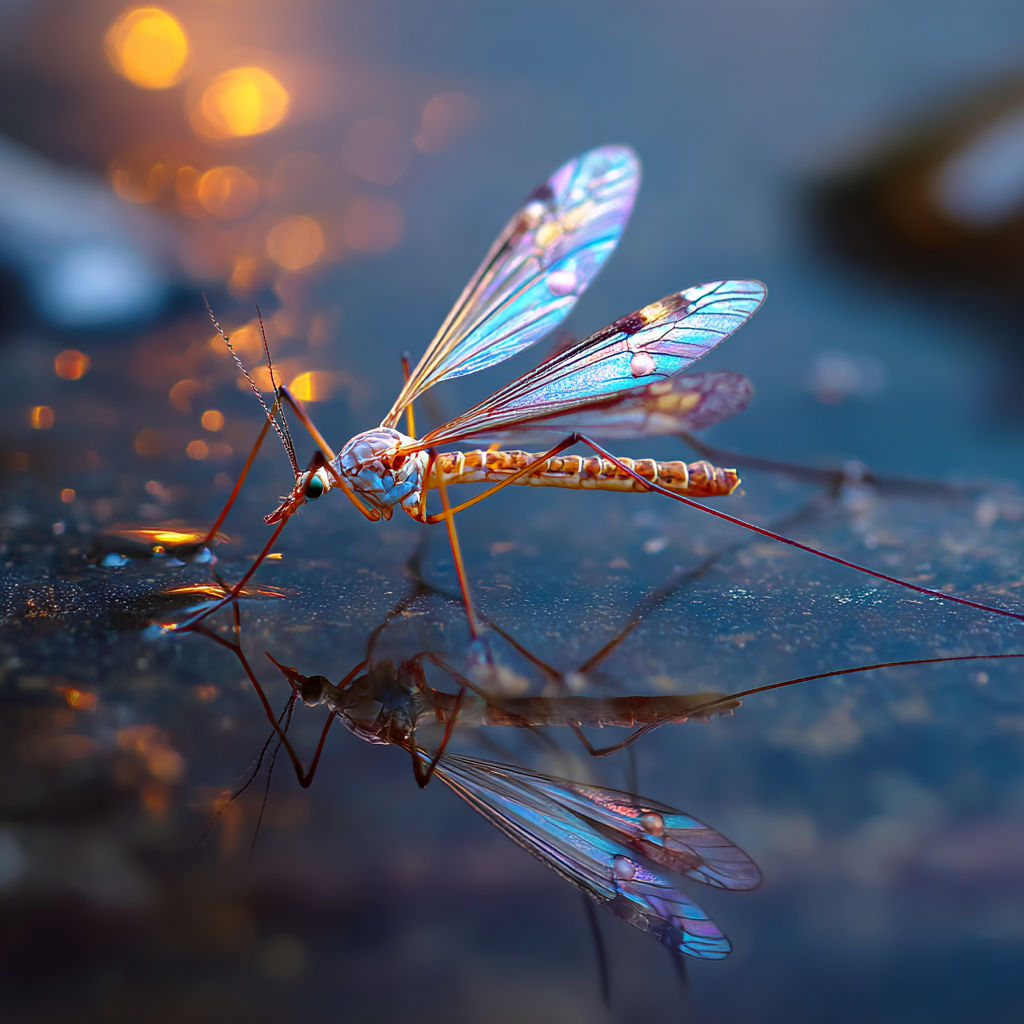
The şifayën (ʃifajæn), commonly glossed in English as the "pure-wing cranefly," ranks among the reserve's most recognizable endemic species and serves as a principal ecological indicator taxon: iridescent transparent wings, crepuscular flight, and aquatic larvae tied to clean lentic water define its field profile. Larvae prey heavily on mosquito larvae, midge pupae, and other aquatic invertebrates; populations collapse rapidly under pollution stress, so the species is embedded in national water-quality assessment protocols. The insect has also seeded biomimetic optical coatings, textile coloration research, and decorative arts and jewelry motifs.
Aryare egret
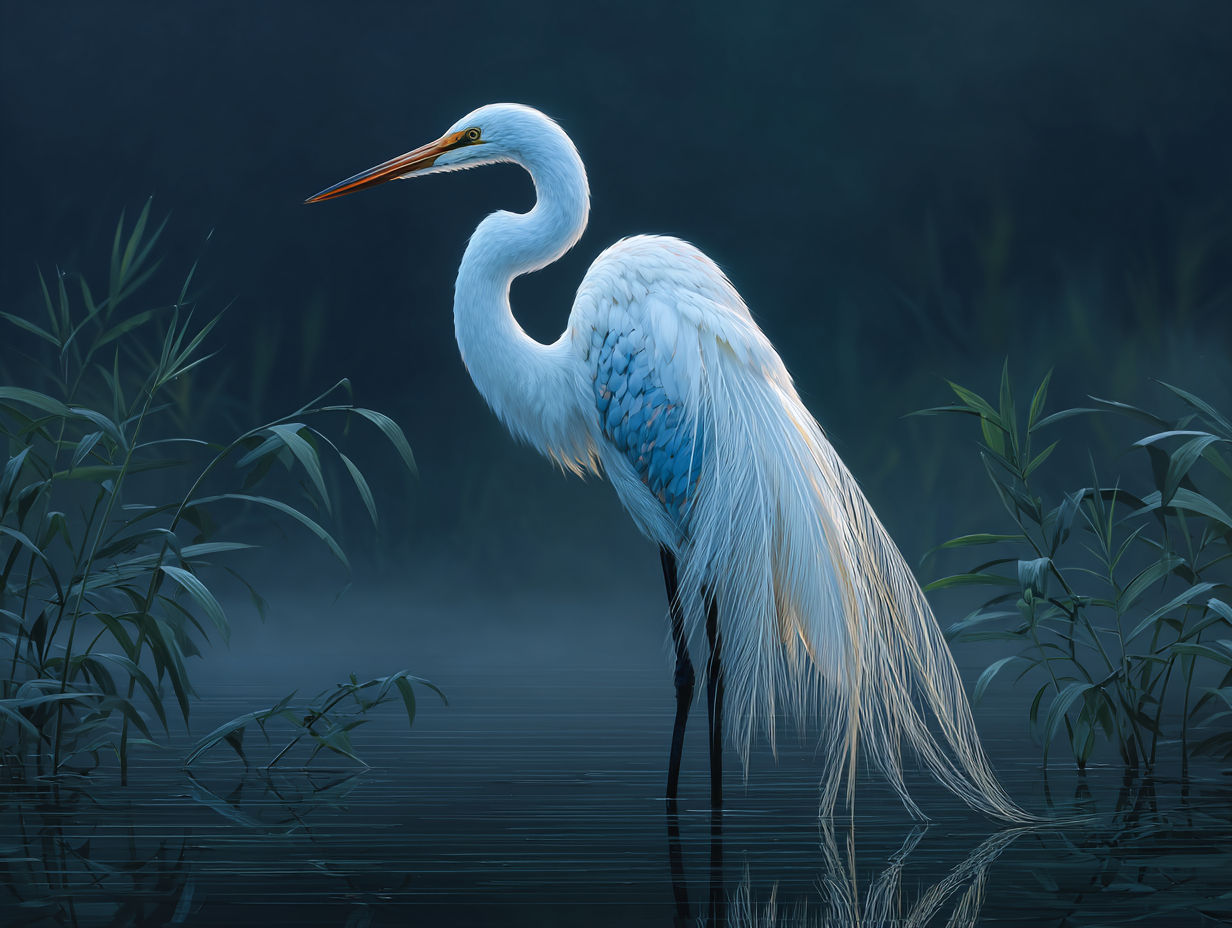
The Aryare egret is a prominent wetland bird tied closely to the reserve, with elongated white plumage, slow deliberate movement, and a strong preference for shallow marshes and reed beds. In Canassarene visual culture it stands for stillness, balance, and composure, and its likeness recurs in environmental campaigns, traditional prints, and wetland conservation collateral.
Seyhindäl
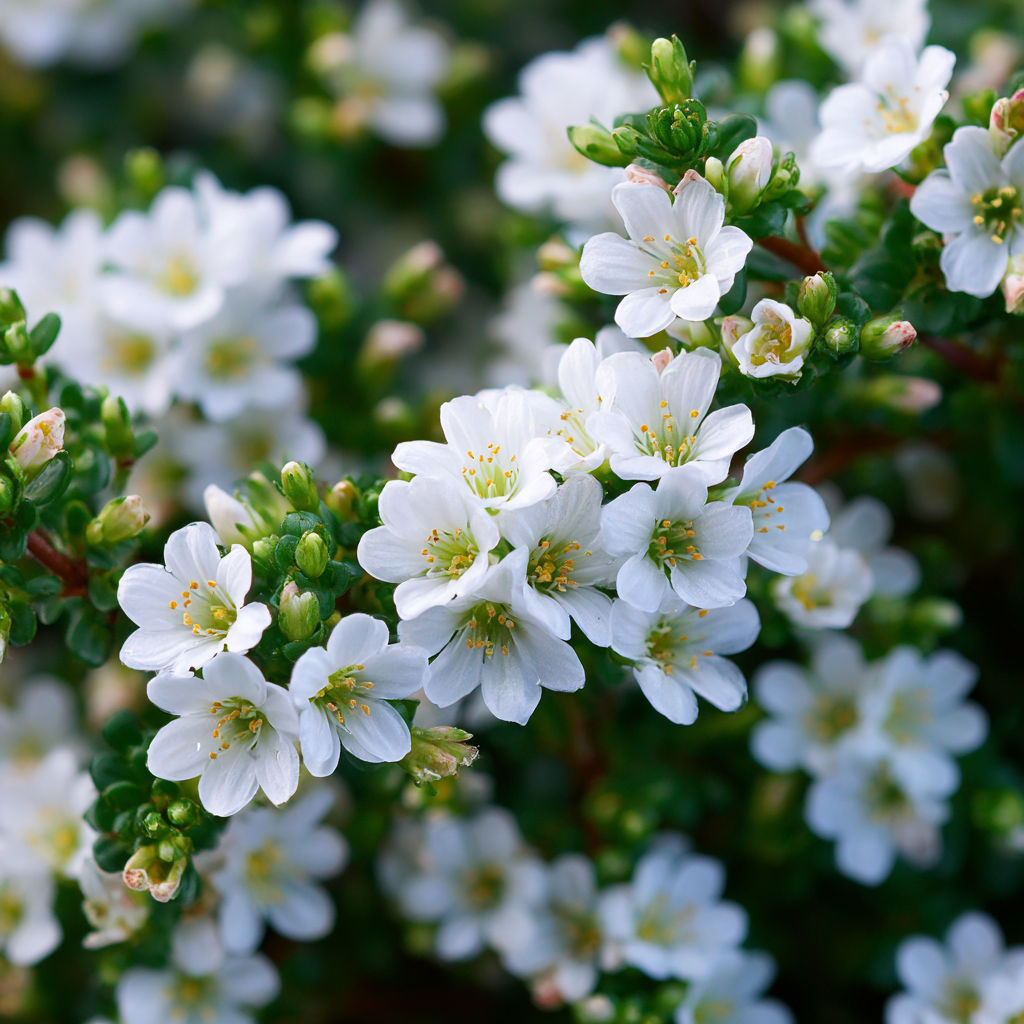
Seyhindäl are small white flowering shrubs along Naira's forest margins and wetland transitions; culturally they are tied to renewal, transitional seasons, and quiet beginnings, and their blooming calendar tracks the Idarin seasonal cycle.
Access and visitation
Naira is open to the public through controlled infrastructure—raised walking paths, observation platforms, ranger stations, and designated canoe corridors—while commercial development stays tightly capped. Visitor activity centers on ecological observation, quiet recreation, educational tourism, and permitted field research; overnight stays are limited to small research hostels, ranger housing, and low-impact field camps on approved routes.
Scientific importance
Naira is treated as one of Canassar's principal ecological research estates, hosting freshwater monitoring, migratory bird tracking, climate resilience studies, insect population analysis, and wetland restoration science on shared logistics. Canassarene aquatic ecology programs lean heavily on the reserve because şifayën larvae respond sharply to shifts in salinity, nutrient imbalance, sedimentation, and industrial runoff, and annual population surveys feed directly into national environmental reporting systems.
Cultural perception
Naira occupies a quieter place in the Canassarene imagination than monument-rich capitals or ridge-line peaks, yet it carries steady weight in policy debates and classroom ecology, where it is glossed with ecological clarity, silence, restraint, reflection, and environmental continuity. For many residents of nearby Hälvarinco demirs, the reserve reads in ordinary speech as nearby marsh and woodland where everyday planning priorities feel suspended above the water table for the length of a walk or a canoe leg.
Administration
Naira is administered under the national environmental authority, with conservation staff coordinating demirs along the Hälvarinco and Maruen interfaces through joint boards that reserve final rule-making for national statute and basin-wide hydrology plans. Policy emphasizes habitat continuity, freshwater protection, biodiversity stability, and low-impact visitation, backed by legal bars on industrial extraction, major urban development, and commercial exploitation inside reserve boundaries.
Modern identity
Today, Naira is regarded as one of the defining ecological landscapes of Canassar, anchoring a strand of modern Canassarene identity in which functional ecosystems persist inside an advanced industrial society and in which some tracts stay valuable precisely because they remain lightly built and closely monitored.