Religion
Resan-Ohr
Resan-Ohr (Canassarene: Resan-Ohr, lit. "The Endless Law"), commonly known in Western scholarship as Ohrism, is the indigenous philosophical-religious tradition of Canassar. Comparative religion and the anthropology of religion typically treat it as a cumulative island cosmology: emerging from prehistoric animistic strata and later elaborated through centuries of temple scholarship, with doctrinal emphasis on continuity, emanation, cyclical balance, and the intrinsic unfolding of reality.
Historically, the tradition accreted as an oral and institutional corpus—seasonal ritual, observational natural philosophy, and court-linked temple pedagogy—rather than as a single revealed codex ascribed to one prophet. Classical courts and modern households alike describe it as a living repertoire of practice and reflection.
In the contemporary period, ethnographic and survey work report that many Canassarene practitioners hold Resan-Ohr in philosophical or cultural terms while identifying as secular, agnostic, or atheist; participation in derived customs, aesthetics, and seasonal observances often continues nonetheless. Scholars therefore frequently classify modern Ohrism as a civilizational or philosophical religion embedded in everyday life.
Etymology
Etymological analysis treats Resan-Ohr as a compound of two foundational Canassarene lexemes. In native usage, Resan connotes natural law, emergent order, intrinsic behavior, custom, unfolding process, and the interplay between order and chaos; Ohr denotes the primordial totality—emptiness and nullity, boundlessness, and the infinite substrate from which all distinctions emerge and eventually dissolve.
Together, Resan-Ohr is commonly glossed as "The Endless Law," "The Infinite Order," or "The Unfolding of Existence." No single translation exhausts the philosophical breadth of the original term.
Cosmology
Ohr—The Monad
In Ohrist cosmology, Ohr (⨀) functions as the primordial source and condition of existence. Classical temple philosophy describes it as the totality of existence and nonexistence, the undifferentiated state preceding distinction, and the endless substrate underlying reality. Because Ohr encompasses both fullness and emptiness, ritual and textual traditions associate it with creation and dissolution, sound and silence, presence and absence, continuity and return.
Theological ethnography generally classifies Ohr as impersonal ground, lacking the will, voice, or covenant structure of a named deity. Contemporary Canassarene philosophers and outside comparativists have drawn analogies to spacetime, the cosmos, the quantum vacuum, existential continuity, or total reality—always as heuristic parallels, not doctrinal identifications.
The Dyad
From Ohr, Ohrist sources posit the paired principles known collectively as the Dyad.
Ooronas
Ooronas, the Radiant Sun, is glossed in temple sources as expansion, outward motion, heat, vitality, affirmation, and manifestation.
Ooronim
Ooronim, the Veiled Moon, is glossed as reflection, inwardness, coolness, stillness, contraction, and contemplation.
The Dyad is interpreted as complementary differentiation within Ohr—a paired rhythm of outward and inward force, without the moralized dualism of cosmic warfare found in some other traditions.
The Triad
The manifest world is modeled through the Triad, three cosmological principles that structure much Ohrist ritual symbolism and temple pedagogy.
Turan
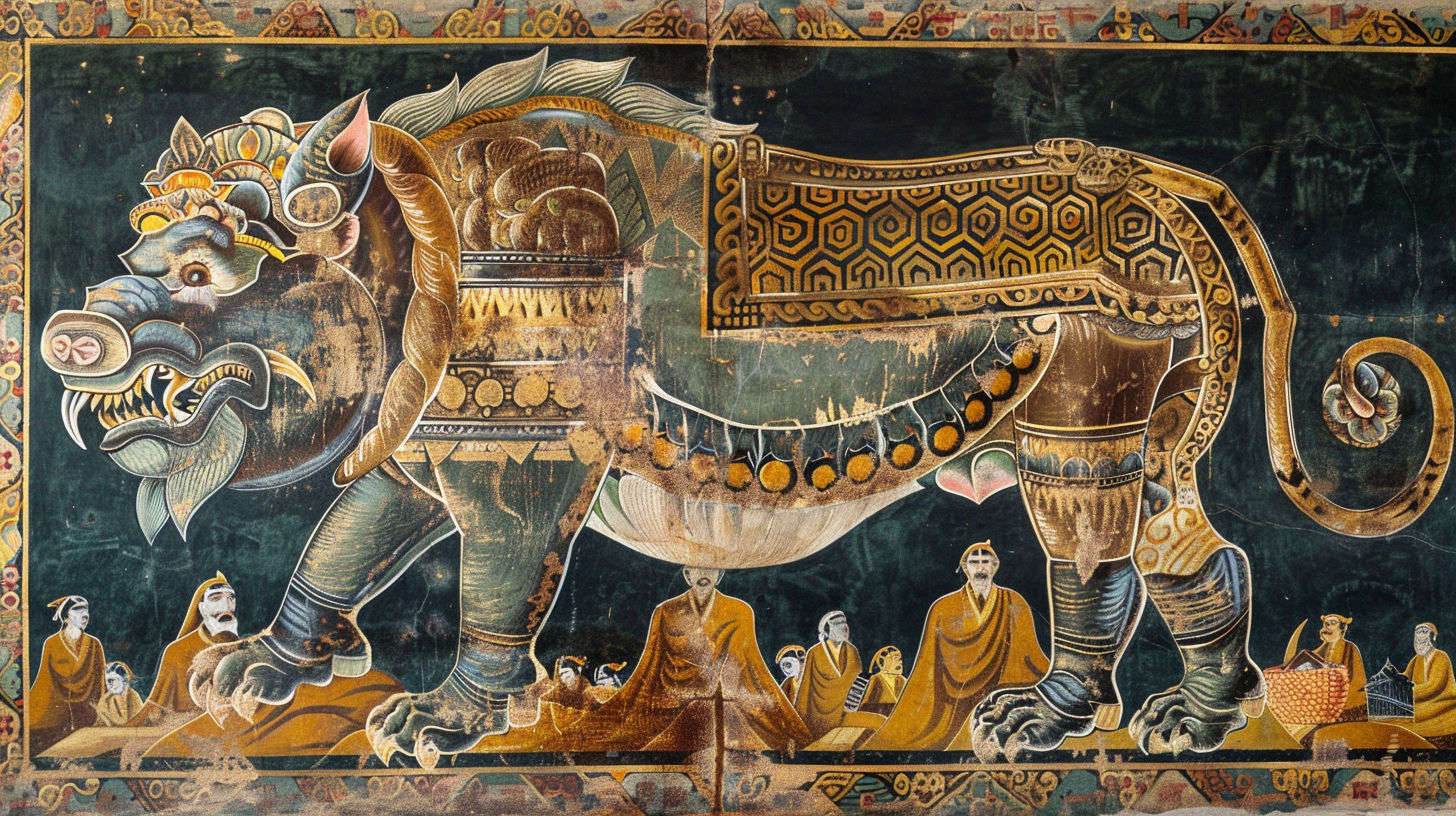
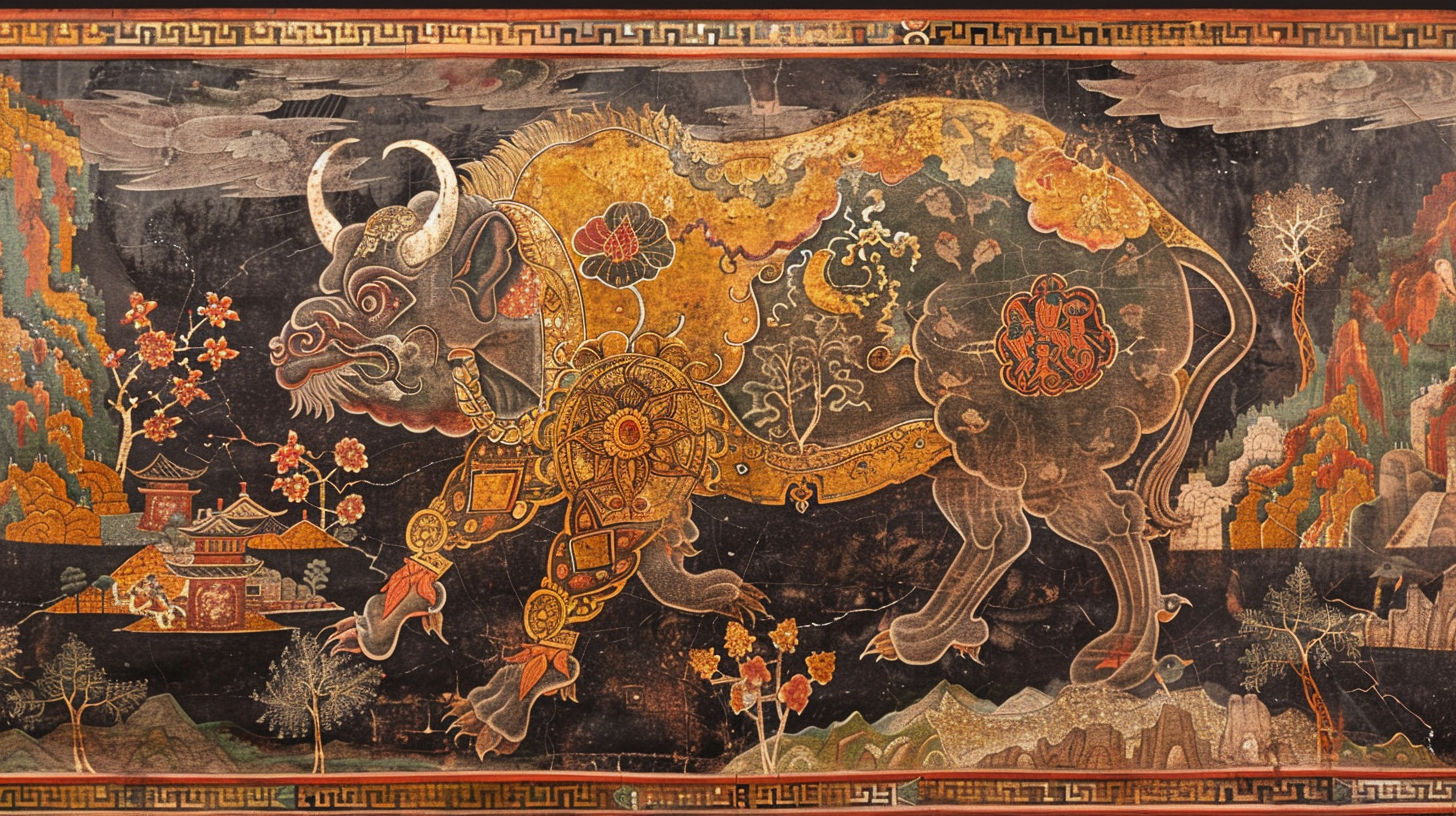
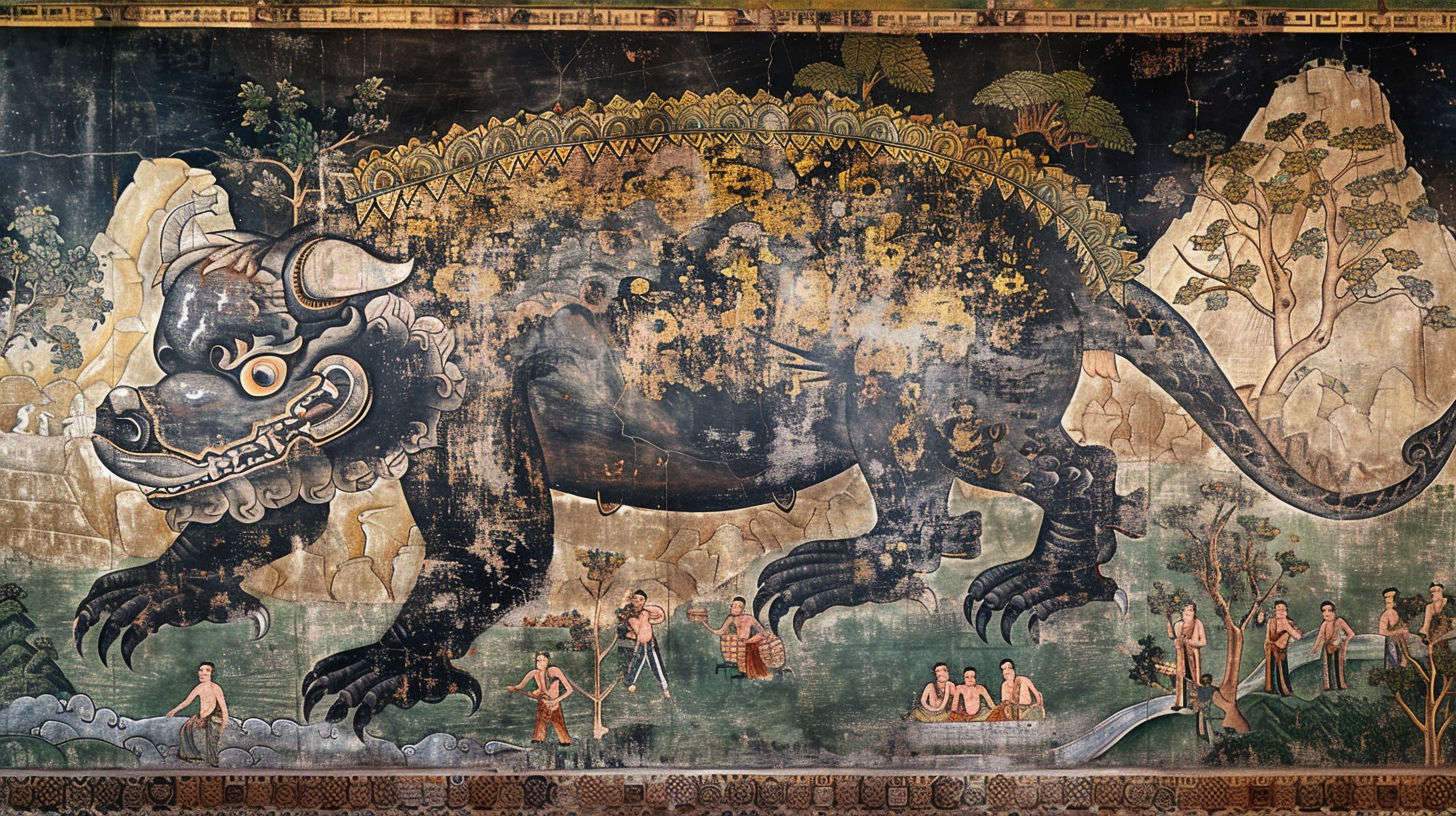
Turan indexes earth, stone, stability, endurance, mountains, construction, and geological force, including fertile soil, domestic architecture, fortification, earthquakes, and volcanic destruction. Iconographic studies of temple art and frescoes document Turan as immense composite beasts—oxen, boars, bears, reptiles, and mountain predators conjoined—embodying the ambivalent permanence of the terrestrial world.
Serunë
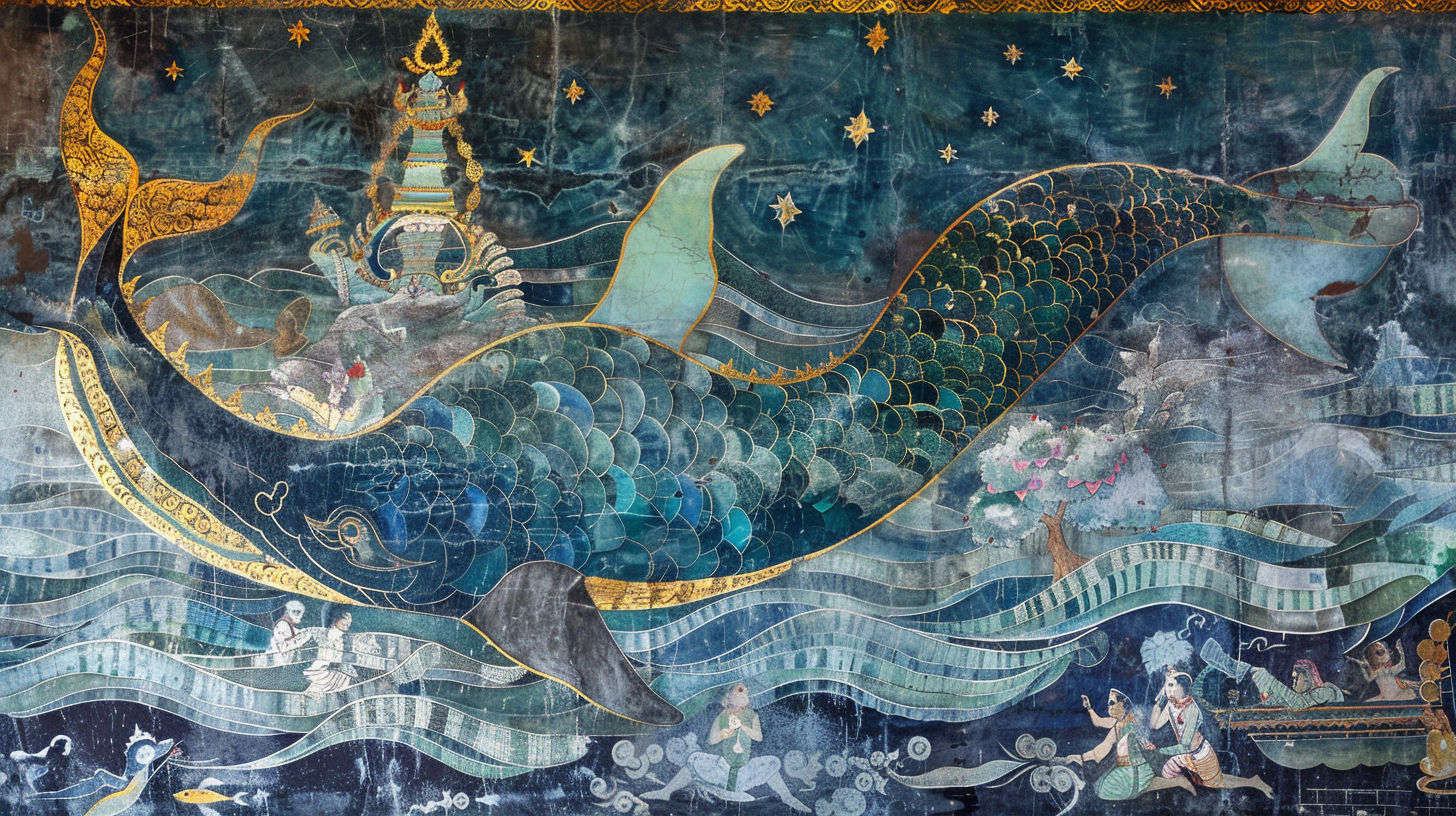
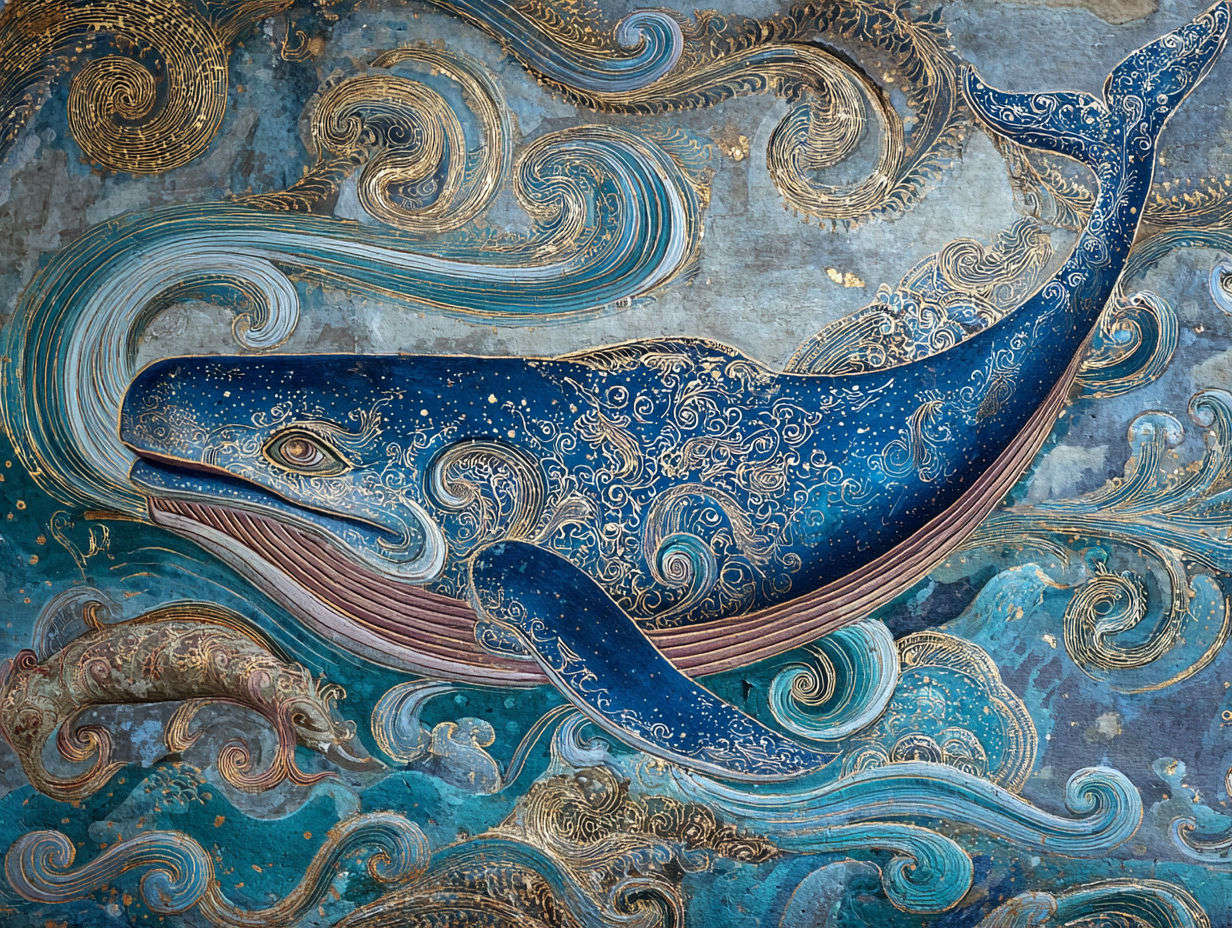
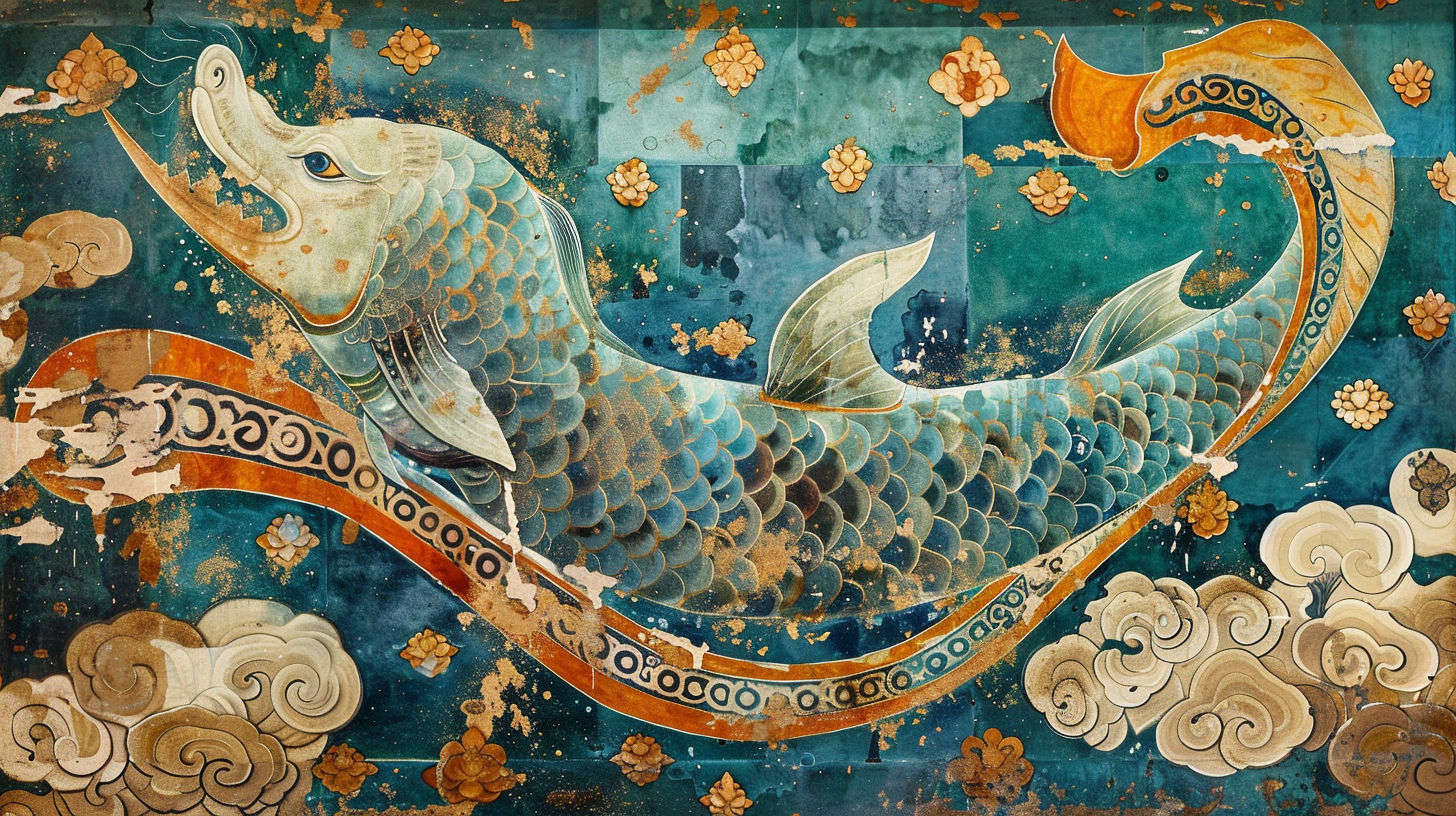
Serunë indexes sea, rivers, flow, healing, exchange, emotion, tides, and continuity through movement. Coastal ethnography and temple fresco cycles record Serunë personae as immense marine beings—whale-bodied, fish-scaled, or otherwise chimeric sea creatures rather than a single zoological type—that simultaneously nourish and endanger.
Hyara
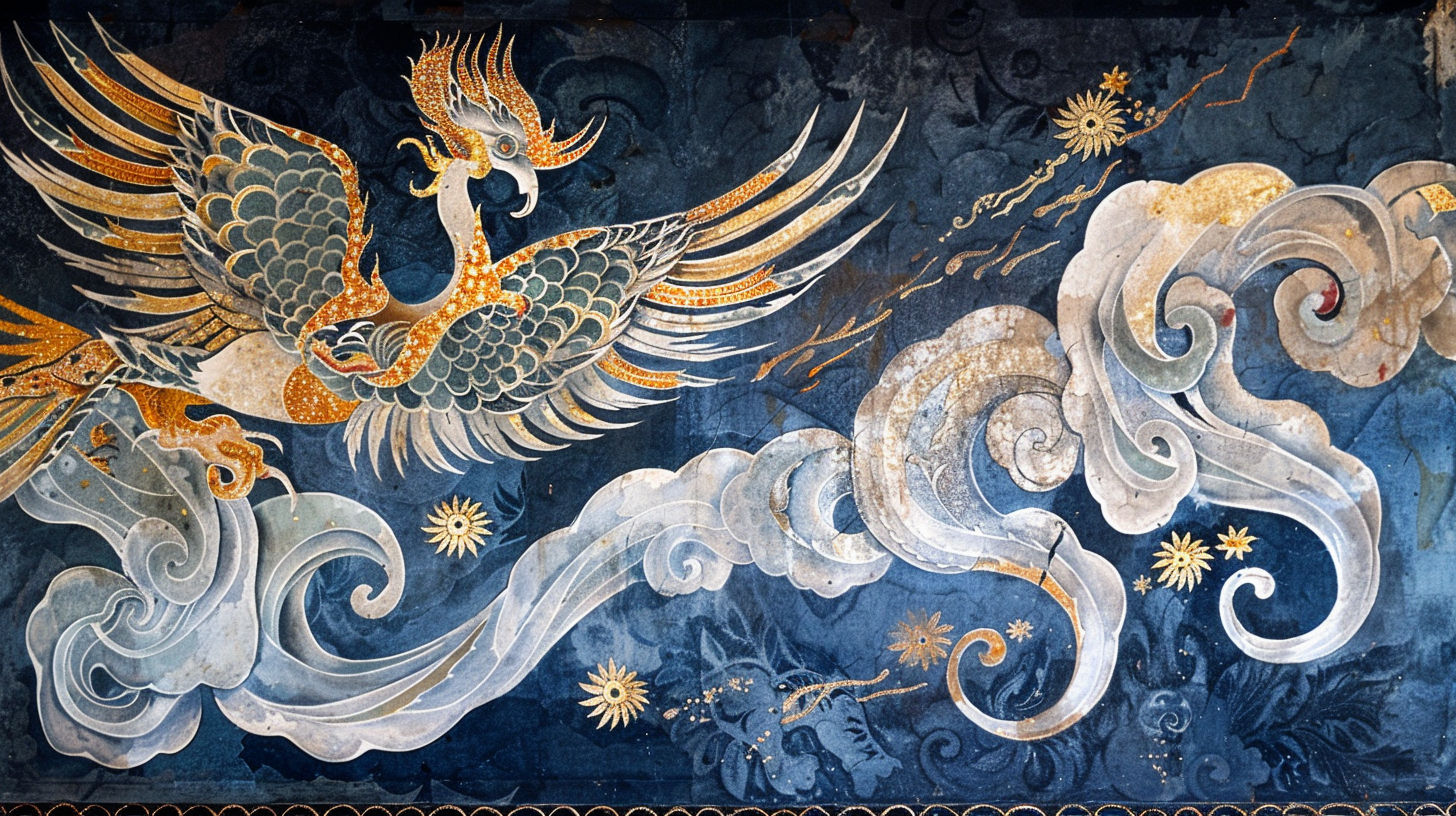
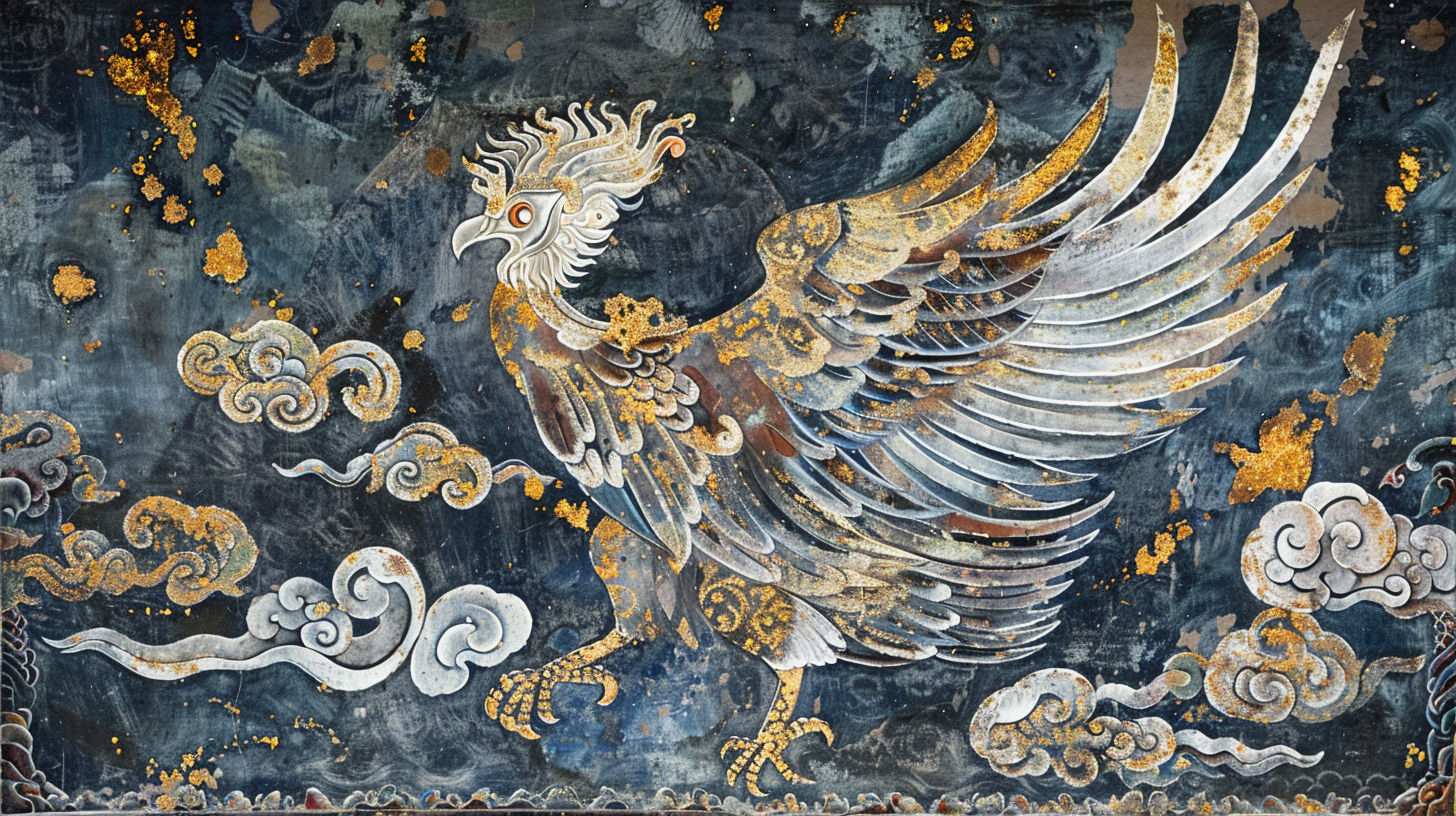
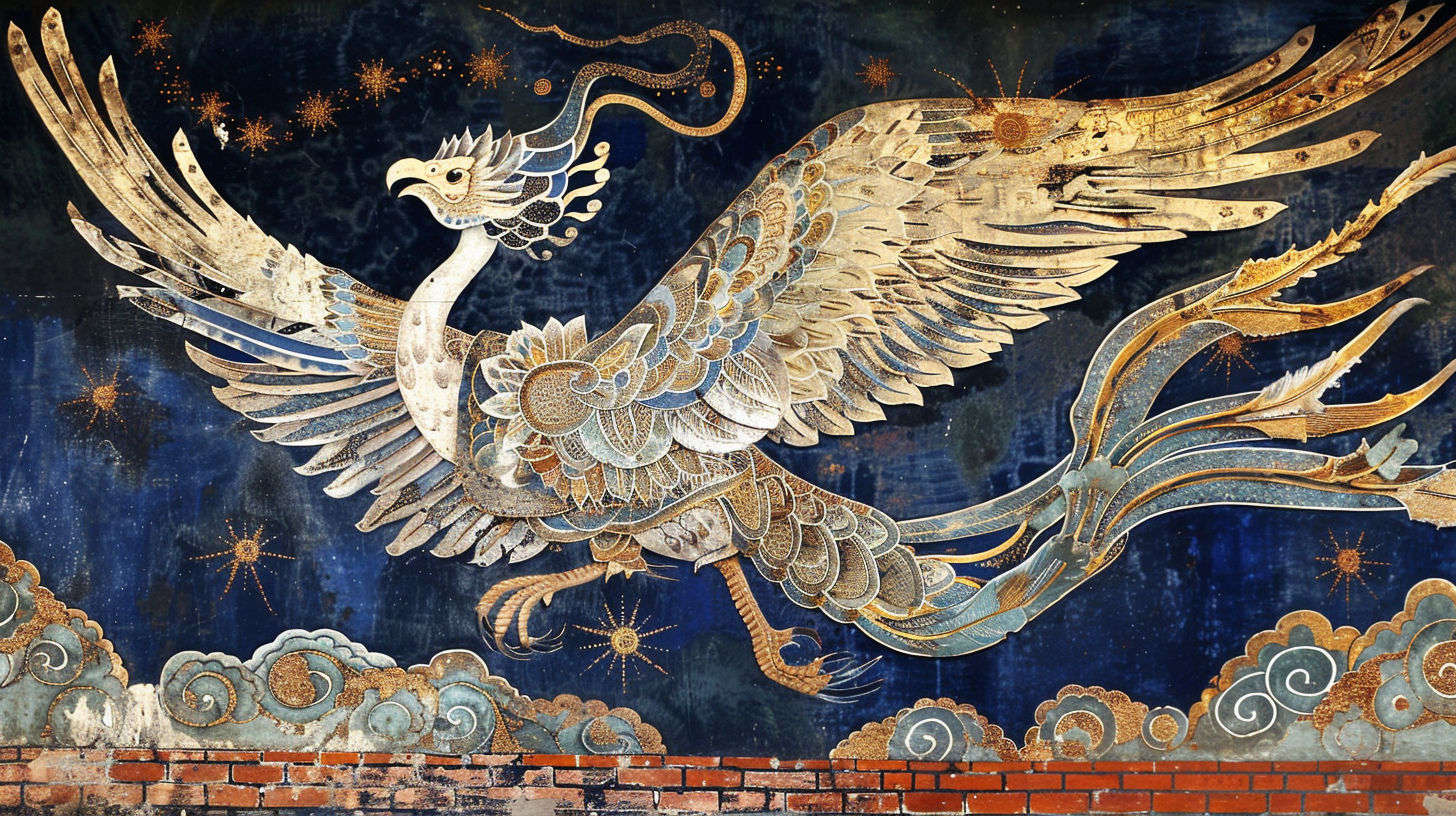
Hyara indexes sky, wind, birds, language, communication, travel, and inspiration, with particular association for movement, messages, song, migration, and unseen interconnectedness. Temple fresco cycles commonly depict Hyara as a great soaring bird—crane- or phoenix-like, with gold-trimmed plumage and crest—borne on stylized wind and cloud amid stars or celestial paths, a migratory messenger rather than any one species of hawk or songbird.
History
Animistic origins
The earliest attested strata of Resan-Ohr appear among prehistoric Canassarene tribal societies. Archaeological remains and regional oral historiography suggest animistic veneration of mountains, forests, storms, rivers, volcanic activity, and seasonal cycles. Over time, localized spirit cults appear to have consolidated into broader symbolic archetypes, later identified with Turan, Serunë, and Hyara.
Classical synthesis
With the spread of writing and temple scholarship in the Classical Canassar period, Ohrist thought underwent marked abstraction and systematization. Temple specialists recorded tides, tracked stars, catalogued flora and fauna, observed weather patterns, and preserved archives; mythic narratives increasingly received allegorical interpretation. Philological reconstruction dates the explicit concept of Resan to this era, as temple lexicography sought terms for patterns governing nature and polity. Ohr is generally held to have crystallized later, as a metaphysical synthesis subsuming the Dyad and Triad.
Temple networks
Historically, Ohrist temple complexes operated as ritual centers and as multi-purpose institutions: libraries, schools, archives, scriptoria, observatories, and depositories of legal and historical record. Prior to mass literacy, temple schools provided many Canassarene children with instruction in literacy, numeracy, recitation, etiquette, cosmology, weather lore, navigation, and seasonal rites. Interlinked archive networks are widely cited in historiography as enabling state administration, maritime navigation, agricultural coordination, and interregional cultural continuity.
Texts and doctrine
The Ohrist textual corpus is heterogeneous and open-ended: cosmological poems, ritual manuals, philosophical commentaries, seasonal recitations, historical archives, funerary liturgies, and temple chronicles accumulated over centuries, without a single closed canon comparable to the major revealed scriptures of other world religions. Doctrinal authority therefore rests on cumulative interpretation and temple precedent rather than on one infallible revelation.
A widely attested maxim, often quoted in pedagogical contexts, runs: "Truth does not descend complete; it gathers through continuity."
Ritual and practice
Bells and threshold chimes

Among the most visible elements of Ohrist material culture are doorway chimes and resonance bells—typically suspended metallic slivers, resonance rods, or clustered bell elements within circular frames. Ethnographic accounts describe their use to announce visitors, register wind, soften interior acoustics, and mark threshold crossings between domestic and exterior space; practitioners read their resonance as symbolic of emanation, continuity, propagation, and sound emerging from silence.
In contemporary Canassar, chimes are frequently retained as heritage objects and acoustic custom; many households explicitly disavow supernatural agency while preserving the threshold practice.
Seasonal festivals
Major Ohrist calendrical observances align with the traditional Canassarene seasonal cycle:
- Idarin: spring awakening and renewal
- Mälloc: summer vitality and outwardness
- Dovanya: autumn gathering and reflection
- Usca: winter stillness and inwardness
Documented festival complexes commonly include lanterns, incense, seasonal foods, kites, floral displays, processions, and communal meals.
Funerary traditions
Ohrist funerary customs emphasizes dissolution, return, continuity, and remembrance. In dominant theological idiom, death marks the gradual reabsorption of individual distinction into Ohr—a return that forecloses eternal judgment before a personal deity. Attested rites include cremation, bells, water symbolism, incense, and ancestor memorial alcoves. A standard funerary formula attested in liturgical collections runs, "May they return gently to Ohr."
Relationship with science
Given its long association with observational temple scholarship, modern Ohrist discourse has historically shown limited confessional conflict with empirical science. Many contemporary Canassarene intellectuals interpret Turan, Serunë, and Hyara as symbolic frameworks for geological systems, ecological flow, atmospheric dynamics, and interconnected natural process—cosmological principles rendered through personae rather than as discrete supernatural agents. Comparative studies therefore rank Ohrism among traditions with relatively low rates of science-religion dispute.
Modern society
In contemporary Canassar, lived religion surveys document widespread participation in Ohrist rites and symbolism alongside self-identification as nonreligious or naturalistic. Seasonal festivals, mortuary customs, household altars, incense practice, and architectural motifs drawn from Resan-Ohr remain common even where supernatural belief is explicitly declined.
The tradition continues to inform Canassarene aesthetics, environmental ethics, built environment, pedagogy, social etiquette, and idioms of civic balance and continuity. Both island commentators and external observers routinely characterize modern Ohrism as a secularized cosmological tradition diffused through everyday cultural life.