Hälvarinco
Overview
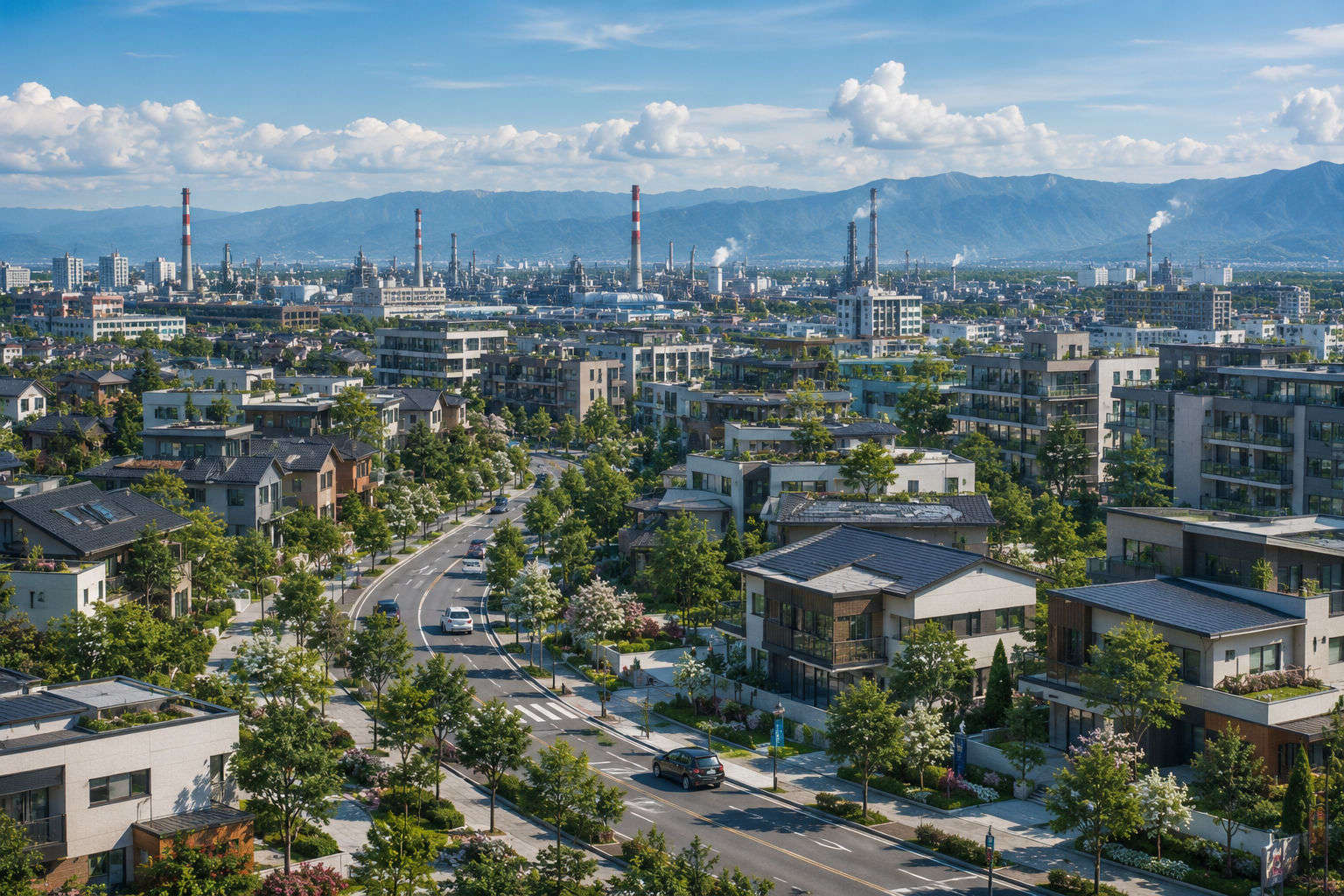
Hälvarinco is the northwestern region of Canassar, opening onto the North Pacific to the west and separated from the eastern capital corridor by Maruen and intervening uplands. Since the early 20th century it has evolved into one of the country's principal industrial and manufacturing zones while also accommodating a growing residential population, building on land availability, coastal shipping access, and distance from the densest capital pressures.
Geography
Hälvarinco occupies the northwestern flank of Canassar as a transitional landscape: forested uplands and passes separate it from Maruen to the southeast, while the west opens onto a long, irregular North Pacific coastline; rolling lowlands and river systems carry industrial corridors through the interior; and forested hinterlands include large tracts designated as protected nature reserves. Rugged interior terrain and the great southwestern wetland basin historically slowed very large settlement projects, while coastal plains and transport spines concentrated towns, yards, and new demirs.
History
Archaeological and anthropological evidence suggests that early populations migrating from the south (via Maruen and Vërunar) dispersed into Hälvarinco during prehistoric periods, with low aggregate density and communities clustering along inlets and passes that opened toward interior ranges and seasonal trade routes. During the Age of Rival Courts (c. 300–900 CE), Hälvarinco participated intermittently in regional politics; nominally incorporated into expanding Cënasa polities, it supplied timber, ores, and coastal harbors while rival court capitals clustered farther east.
The transformation of Hälvarinco accelerated in the early 20th century, when the Canassarene state initiated industrial development programs that capitalized on relative distance from the capital, land availability, and coastal shipping access for manufacturing, processing industries, and logistics and storage. From the 1970s onward, population pressures in Hällarim and central Cënasa led to the establishment of planned towns (new demirs) in Hälvarinco, integrating residential and industrial functions.
Economy
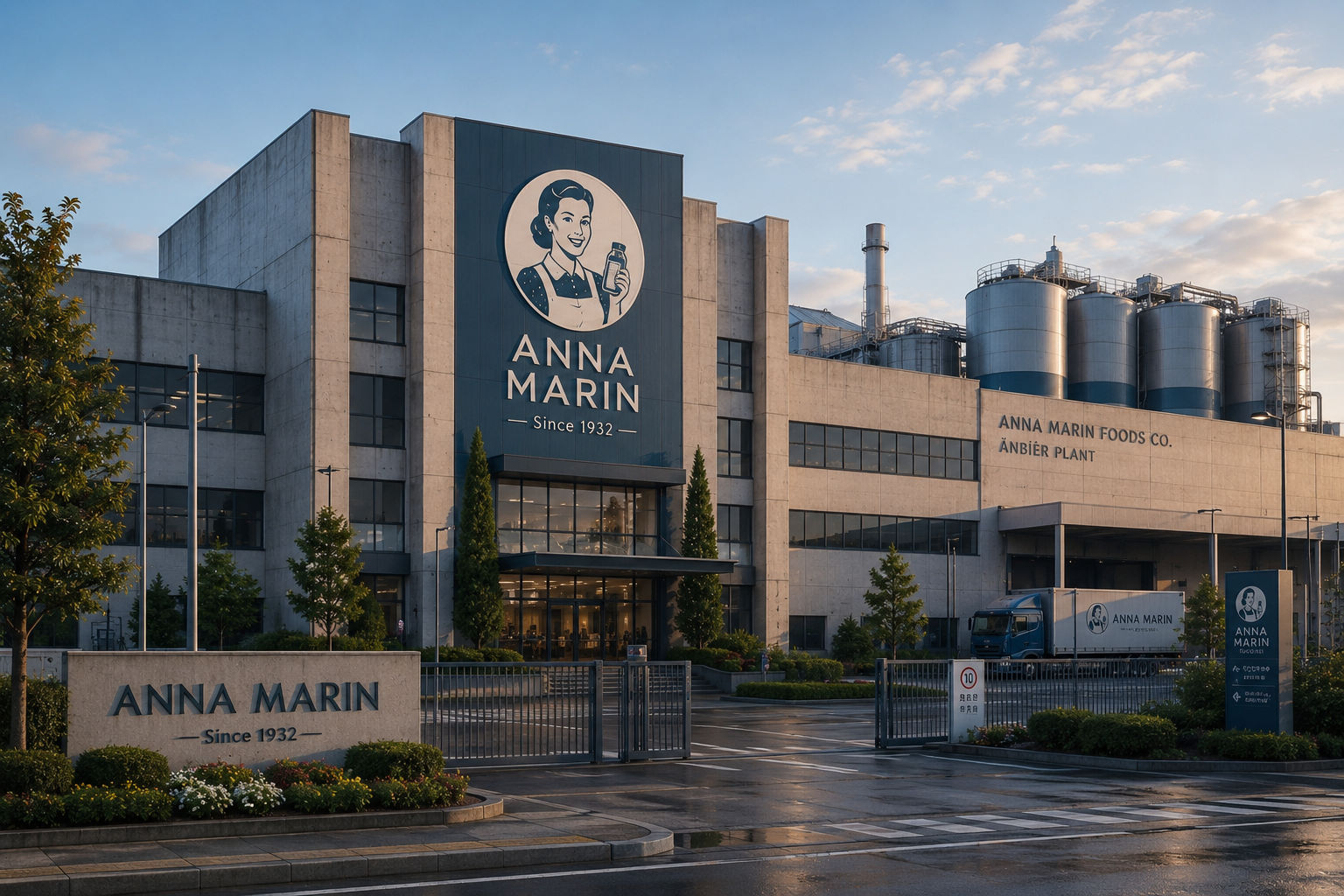
Hälvarinco is a core component of Canassar's productive economy: food processing includes large-scale production of marin sauces and preserved foods; manufacturing covers machinery, construction materials, and mid-scale industrial fabrication; logistics networks link coastal ports with inland regions. National input-output tables, freight waybills, and procurement ledgers document heavy routing of intermediate goods staging, light assembly, and coastal transshipment through the region's plants and intermodal yards; industrial geography treatises therefore classify the western belt among the island's principal supply-chain nodes.
Transportation
Hälvarinco is well connected along its coastal and inland corridors: high-speed rail links major demirs to Hällarim and other regions; regional rail and road networks carry industrial freight and commuters; bus systems provide frequent intra-demir service. Together, these layers let residents stay regionally based while still reaching the capital and peer cities on predictable schedules.
Society and culture
Hälvarinco is known for a stable, middle-class character: daily rhythm favors steady work, local clubs, and family visits, with leisure tied to shift schedules, school terms, and inter-demir sports leagues that orbit everyday production calendars. Life is often glossed as "functional, steady, and complete," with social life centered on family, long-standing friendships, and local recreation. Within Canassar, Hälvarinco reads as practical, reliable, and visually plain while carrying an outsized share of national industrial throughput. Planning memoranda and chamber yearbooks commonly bracket the western belt together with flagship production demirs such as Änbiër when they describe the island's industrial backbone—economic production, infrastructure, and everyday residence kept in steady alignment with national supply schedules.
Änbiër
Änbiër is a demir (municipal urban unit) in the Hälvarinco region of Canassar, functioning as a major industrial-residential center and as the primary production hub of Anna Marin, the most commonly used marin sauce in Canassar. It is a mid-sized urban center with integrated industrial and residential planning, strong transport connectivity, and a stable, middle-class population base, and it serves as a regional anchor supporting both manufacturing activity and everyday urban life.
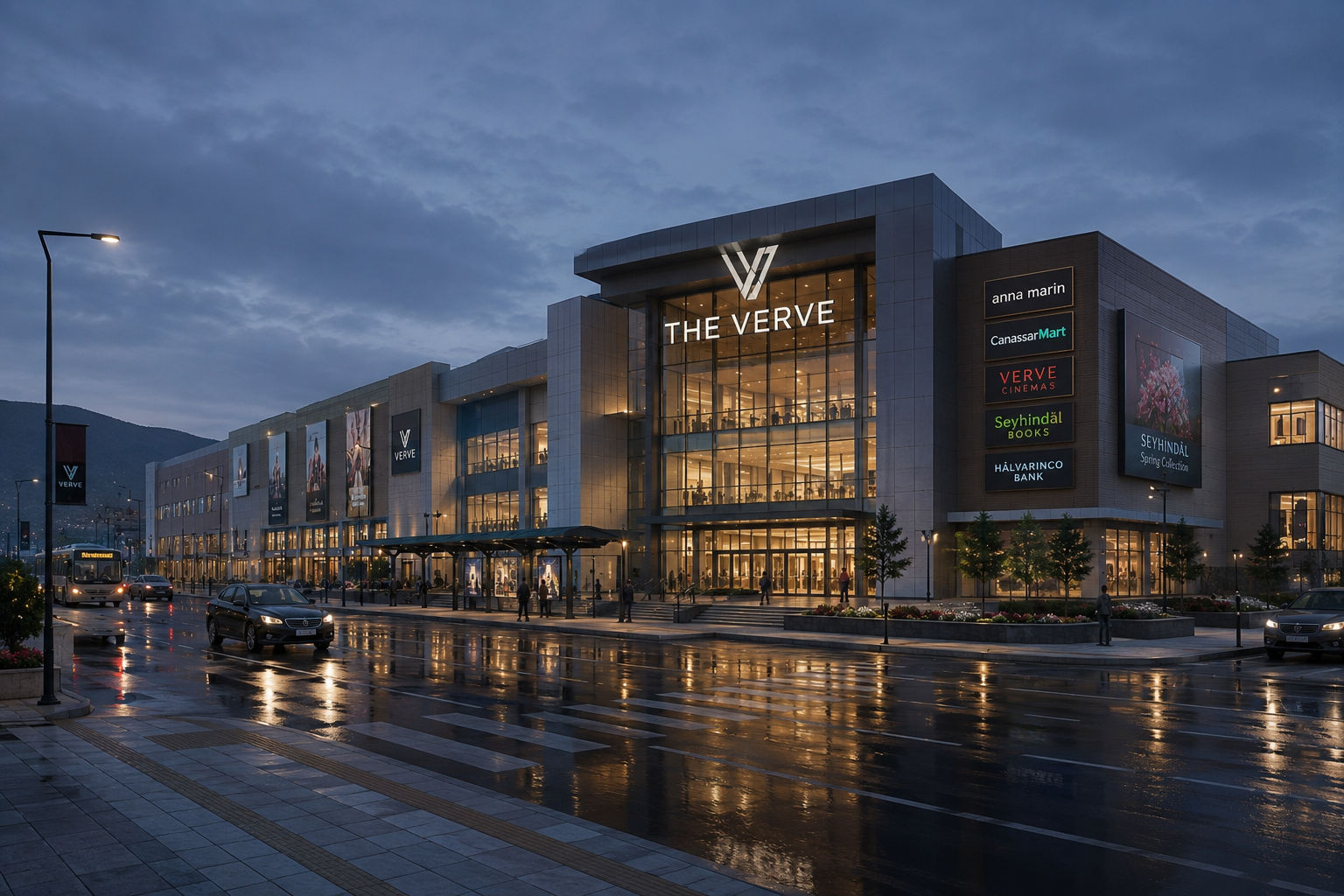
Änbiër's urban fabric follows rail and utility spines outward from Änbiër Central Station, a major node on the national HSR network, with lines running westward to other Hälvarinco centers and eastward to Hällarim. Adjacent industrial belts hold food processing plants (including large marin facilities), manufacturing complexes, and logistics depots; planned residential rings wrap those belts with mid-rise apartments, terraced housing, and local commercial strips, with districts largely self-sufficient for schools, clinics, and neighborhood amenities. Decentralized commercial hubs—shopping complexes, supermarkets, casual dining clusters—serve daily needs; The Verve is the largest mall in the demir.
Änbiër's economy is dominated by food production, especially the large-scale manufacture of Anna Marin as a standardized marin sauce distributed nationwide, together with manufacturing and supply-chain support for construction and heavy industry and with retail, local dining, and community services. Marin facilities specialize in roasting and fermentation, controlled reduction, and bottling and distribution for Anna Marin and related lines, work that has become part of the demir's civic identity.
The HSR station gives rapid access to Hällarim and other regions; high-frequency buses knit residential belts to industrial zones; road networks carry commuters and freight on parallel corridors, and reliability of those systems is a defining feature of daily life. The population is predominantly middle-class, with many residents employed in industrial operations, technical roles, and administrative and professional services; lifestyle is routine-oriented, locally focused, and socially stable, with recreation leaning toward casual dining, fitness activities, and small-group gatherings.
Änbiër is associated nationally with reliability, everyday functionality, and understated cohesion; its role in producing widely used goods, particularly marin sauce, gives it a quiet presence in pantry shelves, procurement ledgers, and factory-gate commutes. Within Canassar, Änbiër is often described as "easy to live in," valued for stability, accessibility, and livability in everyday national rankings of demirs.