Cuisine
Overview
Canassarene cuisine is seasonal cooking shaped by the island's landscapes: highland herbs and forest roots, orchard fruit, coastal fish, and fermented grains. Older practice stressed preservation, balance, and the use of what would otherwise be wasted. Modern cooking has become more refined without dropping those habits. Meals are typically light, savoury, and herbaceous, built around subtle broths, pickled elements, and shared table ritual.
Signature dishes range from siyec porridge and grilled naarţil to crisp mealworm snacks and rinmi pearls. Drinks include forest teas, millet brews, and salenar ("sunwine"), fermented from ţiyar (sunbead) fruit of the Maruen orchards. Street cooking and seasonal menus continue to rework the same pantry.
Related articles: hilmi; salenar.
Reference
Two subjects are treated at greater length elsewhere:
- Hilmi: the traditional spear-straw utensil, its materials, and table custom.
- Salenar: sunwine from ţiyar, including production and the drink's reported effects.
Hilmi
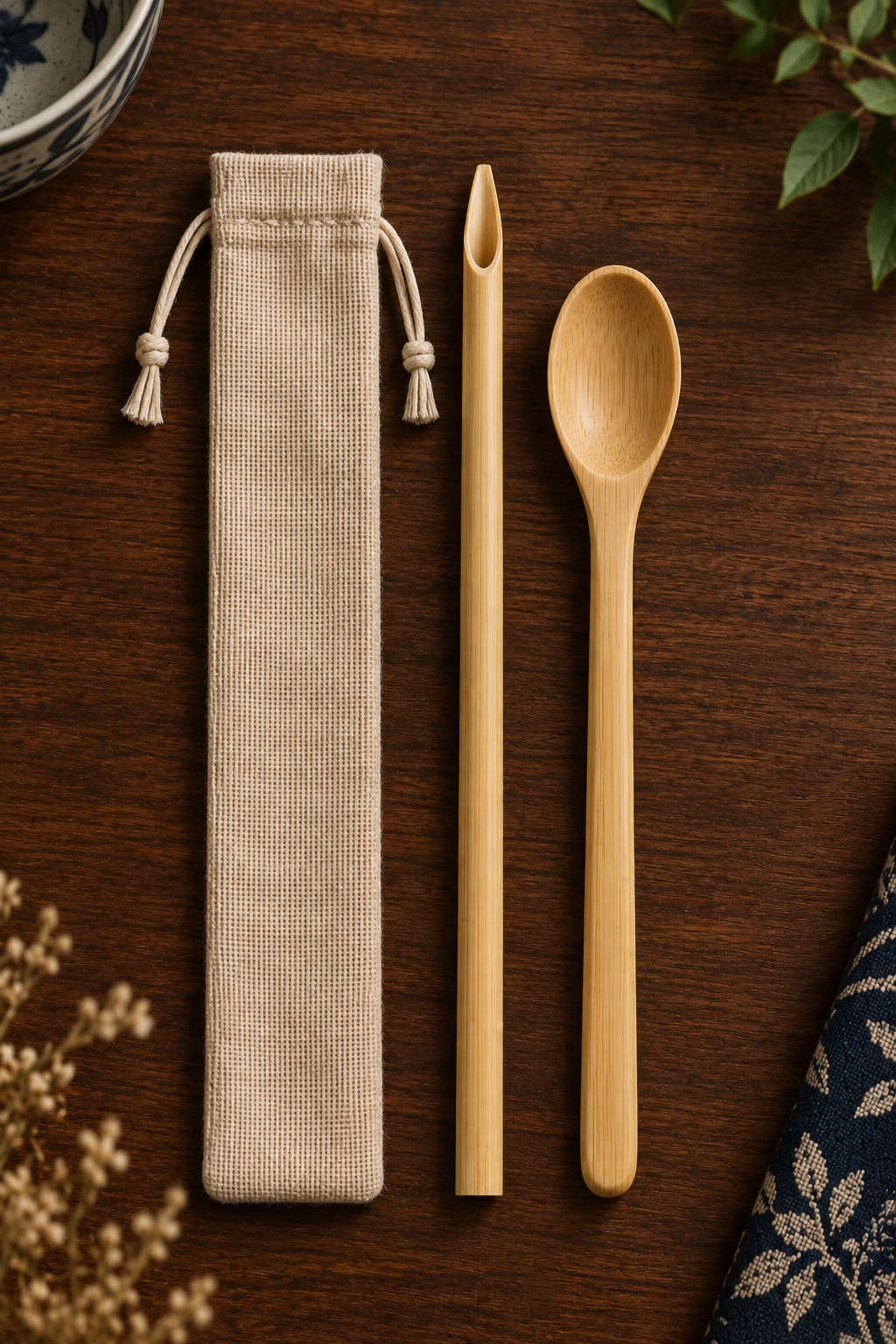
The hilmi is a slender utensil used both to spear food and to draw up liquid. It is traditionally cut from fintare (Fintaria canassariensis), a hollow marsh and river reed that stiffens when dried. One end is tapered to a point; the other is beveled for sipping broths and thin porridges. In a modern place setting it is often laid with a çiriren, a carved spoon used for soups, desserts, and thicker porridges.
Sharing a hilmi is treated as intimate. In formal meals it is customary to wait until the host lifts theirs before eating. The utensil is treated at greater length in the hilmi article.
Salenar
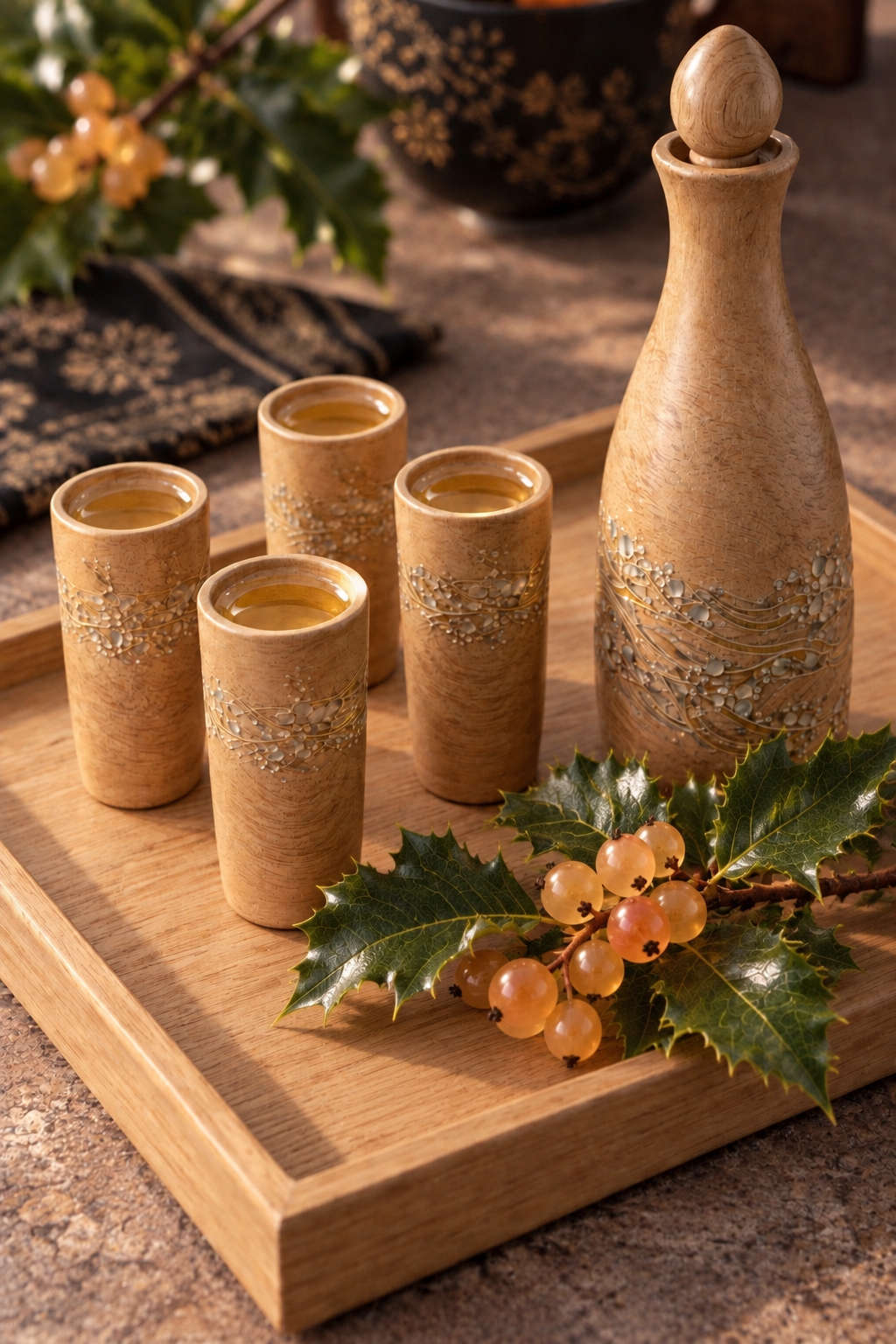
Salenar, often glossed in English as sunwine, is a fermented drink from the juice of ţiyar, the sunbead fruit cultivated especially in Maruen. It is a light, translucent amber liqueur at about 6–9% alcohol by volume, with a honey-pear-apricot aroma and a calming, mildly euphoric effect rather than heavy intoxication. It is served chilled in small cups, often with a fresh ţiyar berry, and is a ceremonial and social drink associated with warmth, composure, and shared light. Production, etiquette, and pharmacology are treated in the salenar article.
Şëleyin
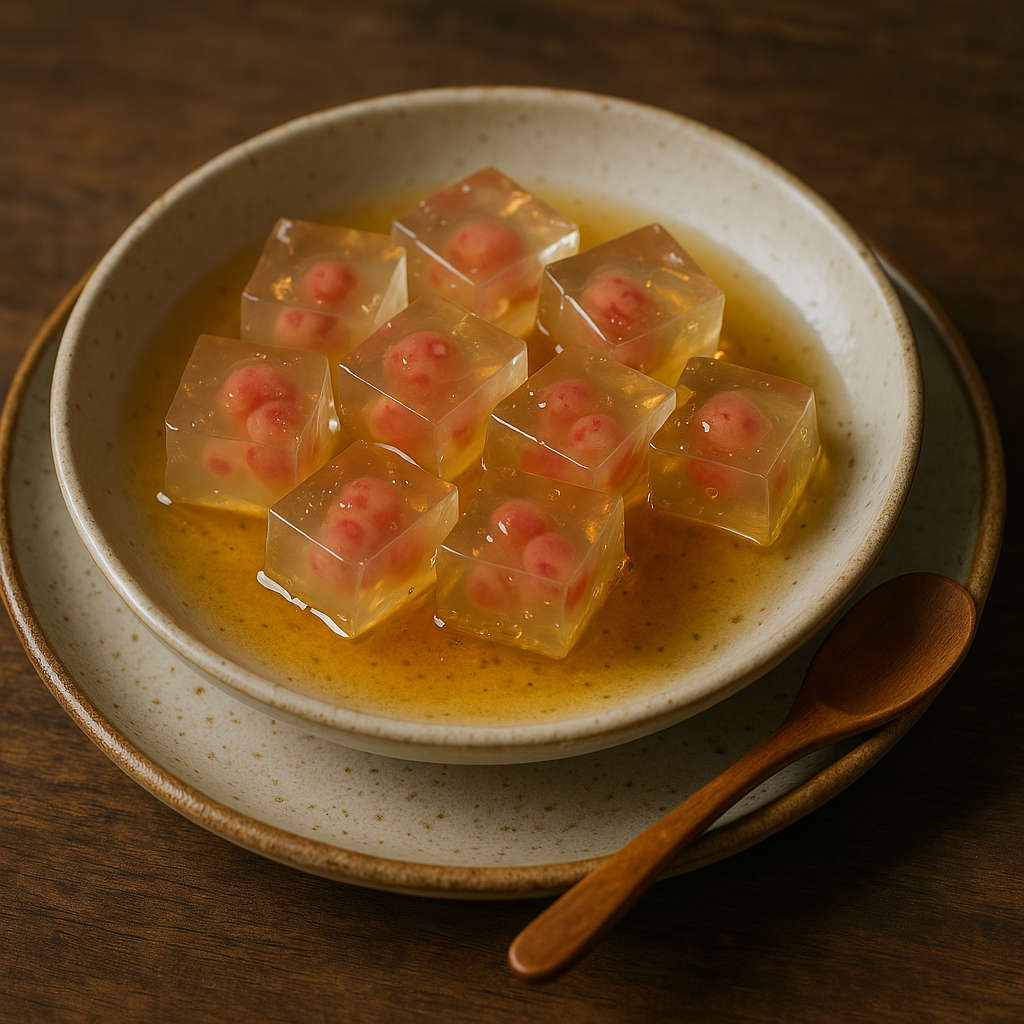
Şëleyin is a dessert of whole ţiyar berries set in a clear, mildly sweet gel, usually cut into small translucent cubes. It is eaten year-round and is particularly associated with festivals of light and with children's feasts. Because it uses unfermented fruit, it is treated as suitable for all ages and for temple offerings. The flavour follows the raw sunbead—honey, apricot, pear, and young grape—with a faint floral syrup; sweetness is kept low. Chilled, the jelly yields at once while the berry skins burst more firmly.
It is served at New Year vigils as a figure of preserved light, at naming and coming-of-age meals, and at summer gatherings on ceramic dishes, sometimes with a thin honey or mint syrup. "To share şëleyin" is an idiom for speaking without pretense. Monasteries may infuse the gel with seyhindäl petals for dual sun-and-moon rites. Patisseries restyle the form, but the aesthetic remains translucence, restraint, and light held inside the cube.
Marin
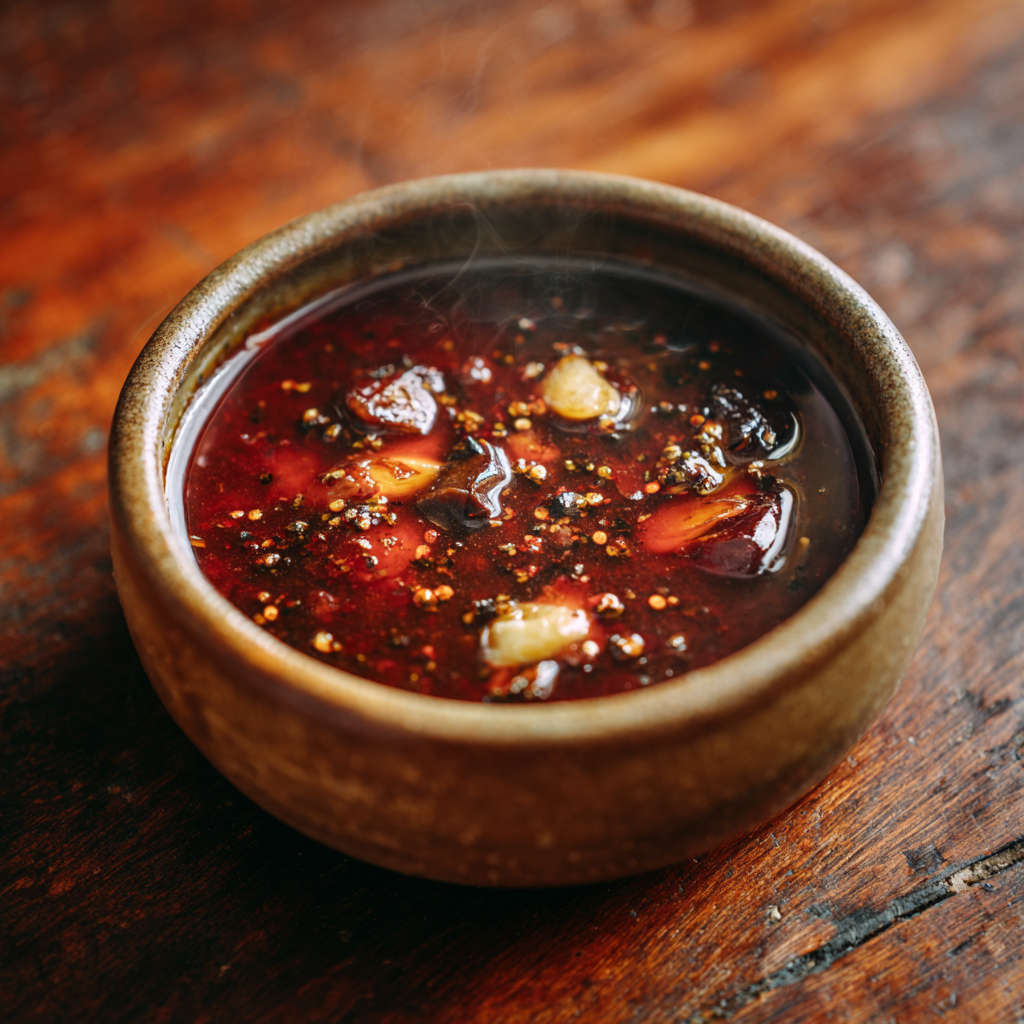
Marin is a dipping sauce of deep savoury flavour and glossy red-brown oil, made by slow reduction of roasted garlic, black pepper, leeks, and fermented mushrooms, blended with oil and aged seasoning stock. The name is from mar, "depth" or "essence." Some regions call it marin serë, "water of depth," for a liquid consistency despite its richness. It is a staple with grilled and steamed food; in the south it also seasons noodle broths or is sharpened with vinegar as marin selë.
Commercial production is concentrated in Hälvarinco, especially Änbiër, which bottles the widely distributed Anna Marin line. At communal tables, dipping from a shared bowl is a gesture of hospitality.
Tena
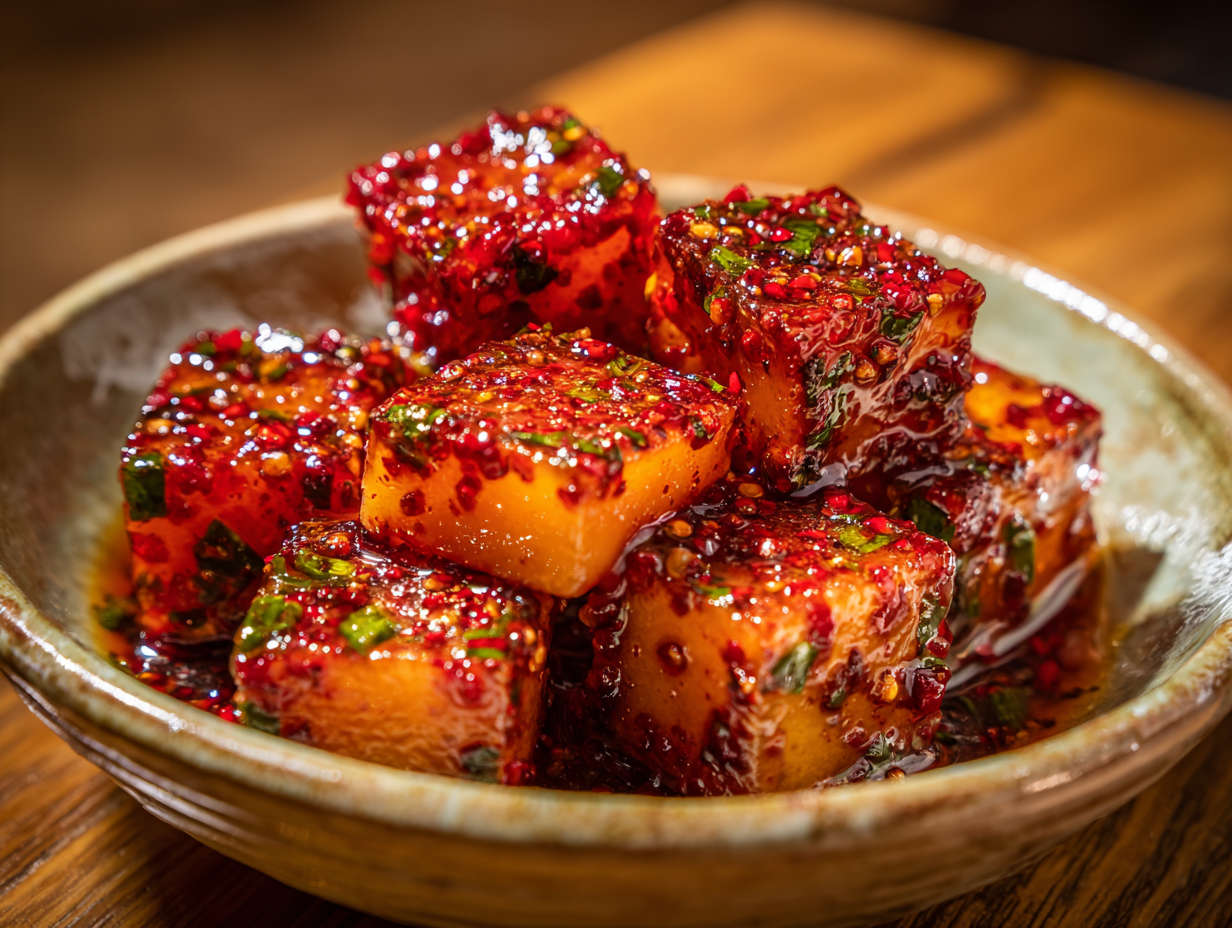
Tena are small rice-based cubes, about a centimetre on a side, among the most common everyday foods in Canassar. They are chewy, usually steamed, and made from finely milled rice flour blended with another starch—typically taro or lotus root—for a firm, springy bite. Dough is pressed into sheets, cut, and steamed until the surface is smooth and slightly translucent. Fresh cubes are eaten the same day; dried forms keep for travel.
They go into light broths, are tossed dry with chili oil or mushroom paste, grilled or pan-seared after steaming, or stir-fried with vegetables, seafood, or pickles. Northern versions tend to be firmer and slightly smoky; western coastal cubes may take seaweed or brine; southern marshland batches may include herbs or minced freshwater shellfish. The form is associated with Armassin headlands, where compact starch cubes suited travel and seasonal movement before spreading south as a national staple.
Cişo-şadu
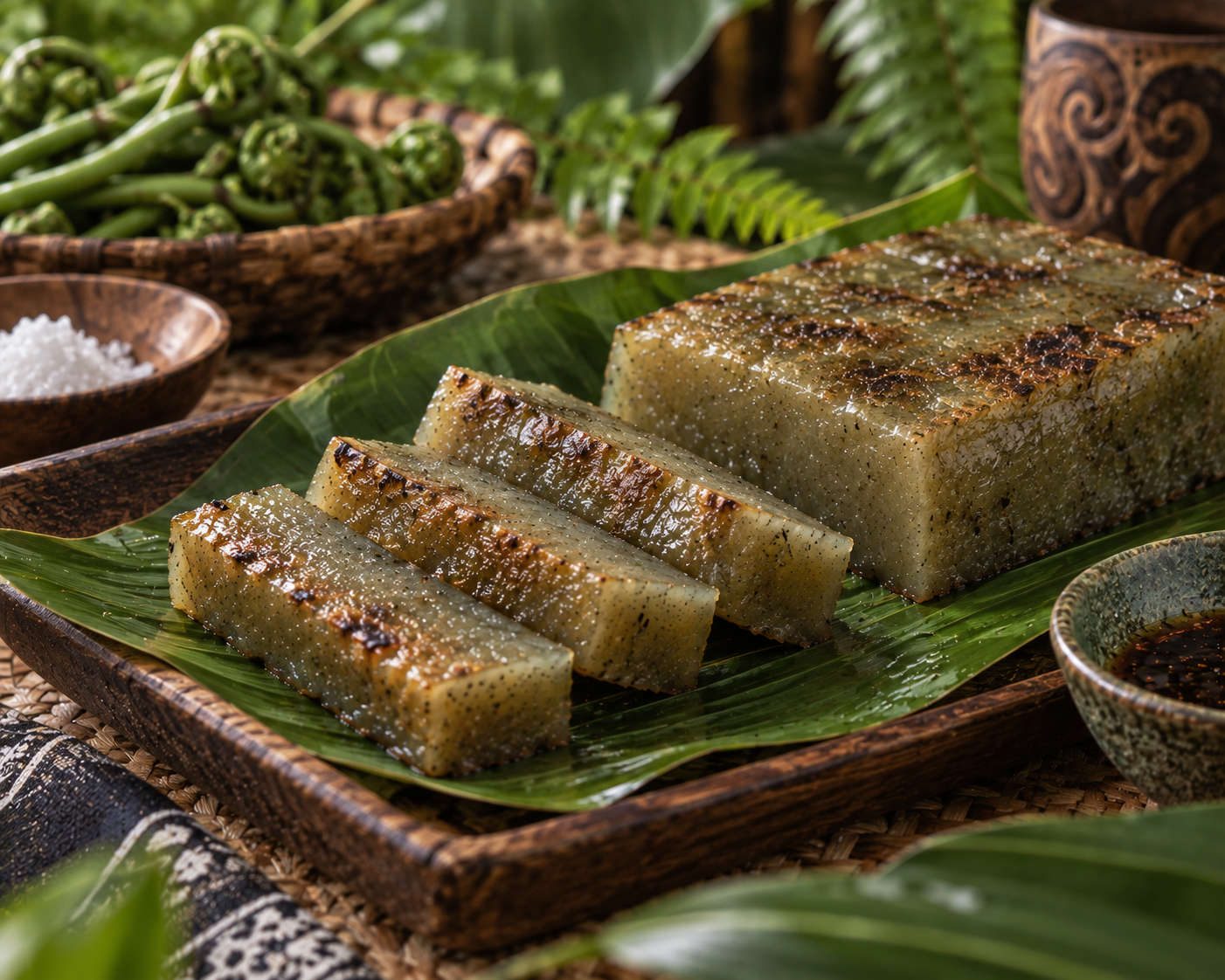
Cişo-şadu is an Armassin starch cake from the rhizomes of bënunya (bracken fern). The name joins cişo, a broad term for cakes and prepared starches, with şadu, "stone," for its dense, firm texture. Rhizomes are crushed, washed, and strained; the settled starch is cooked to a paste, then boiled or steamed into a slightly translucent, chewy block. Modern plates are often sliced and grilled or pan-fried, and may be served with preserved fish, vegetables, or marin.
The long processing is required to make bracken starch edible. Historically the cake supplied carbohydrate with little dietary variety, so it was an emergency staple more than a complete food. It is especially associated with the Great Northern War, when Armassin mountain warfare and disrupted harvests left bracken as a fallback on forested slopes. It has declined as everyday fare but remains a regional specialty and a food of historical remembrance after Armassin's incorporation into the Canassarene state.