Maruen
Overview
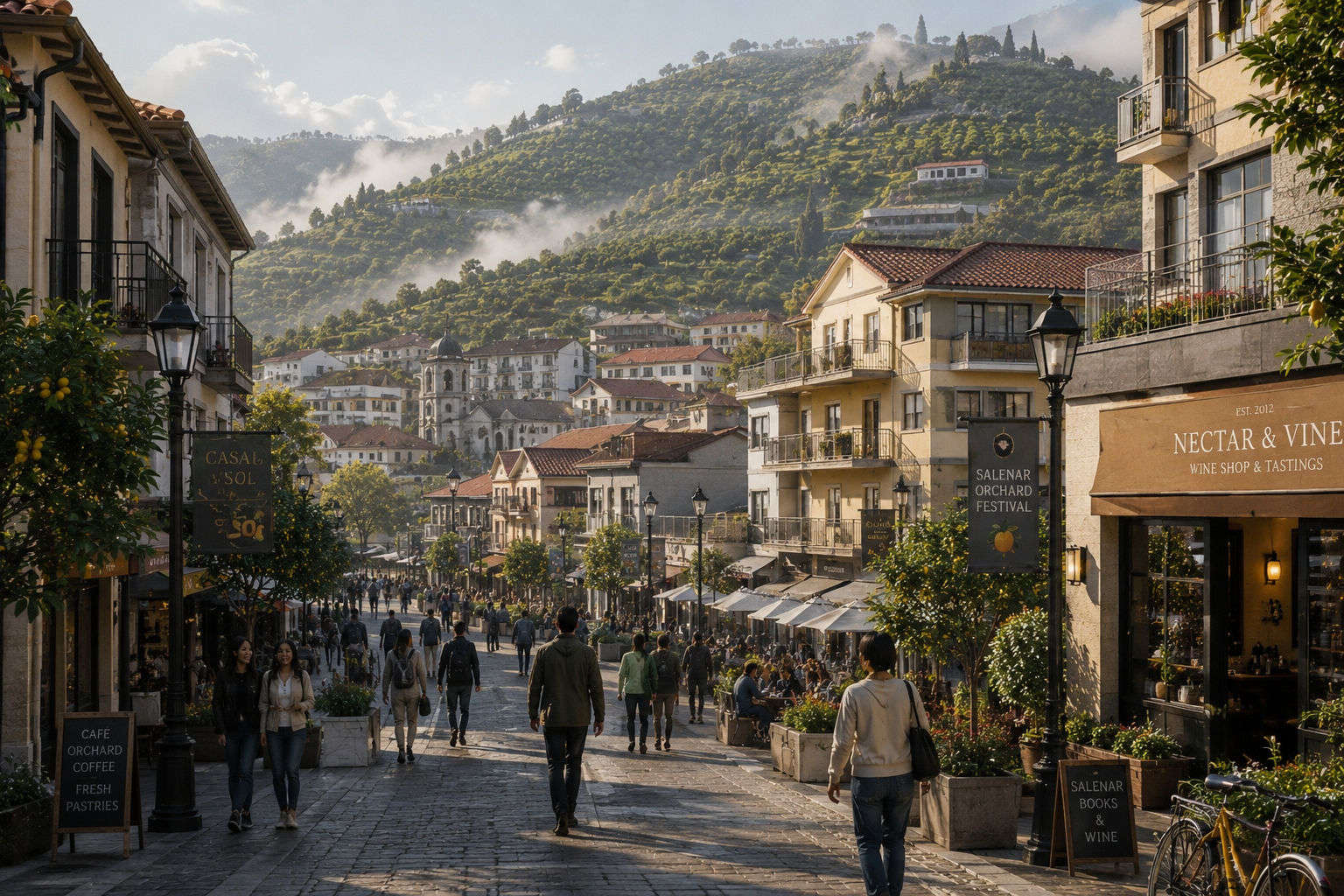
Maruen is a historic inland region in the central and west-central interior of Canassar—the island's only landlocked administrative region—bounded by Hälvarinco uplands to the northwest, Cënasa to the east, Vërunar to the southeast, and the Naira reserve lowlands to the southwest, with a short high-elevation interface toward Armassin where northern ridgelines meet. Physiographically it consists of rolling hills, river-fed valleys, orchard belts, and university-centered towns; domestic gazetteers and ministry sector maps routinely class the region with large-scale horticulture, tertiary education, publishing, and small-town services rather than with heavy industry or deep-water logistics.
The Maruen basin preserves a dense archaeological record of early sedentary occupation (ceramics, burial complexes, irrigation features, ritual assemblages) along paleochannels and terrace sites, and syntheses of proto-Canassarene settlement therefore cite the area with high frequency. Recent national-account bulletins, university enrollment ledgers, and export manifests used in the Finance Ministry show Maruen below Cënasa and Hälvarinco in aggregate output but above the national mean in tertiary places per capita, indexed research publication, shipments of orchard goods and ferments, outward posting of graduates, and adoption elsewhere of its watershed-conservation ordinances.
Geography
Relief consists chiefly of rolling hills, alluvial valley floors, orchard plots, mixed woodland, and dispersed built-up nodes. Climate is temperate inland: winter minima remain moderate relative to island averages, and maritime air masses arrive attenuated after passage over intervening terrain. Land cover is dominated by ţiyar groves planted on contour; settlement follows a polycentric pattern of medium towns, villages, and service centers along valley axes, consistent with labor-intensive orchard agriculture and with limited scope for continuous high-density ribbon development.
History
Archaeological and palaeoenvironmental work places Maruen among the earliest sustained settlement clusters reached by southward and southwestward migration trajectories across former archipelagic links toward Hokkaidō and the Kuril chain; available water, workable slopes, and alluvium supported year-round occupation earlier than in many upland catchments. The resulting artifact record has made the basin a standard reference area in typological studies of proto-Canassarene material culture.
Genealogical registers, cadastral charters, and court annals indicate comparatively early incorporation of Maruen elites into expanding Cënasa administrative and military networks (relative to several autonomous highland polities integrated on slower administrative timetables). Subsequent centuries show lower reported intensity of sustained siege warfare in the basin itself, coupled with cumulative investment in schools, market regulation, internal toll roads, and craft guilds. Domestic policy memoranda and journalistic shorthand from the industrial period onward recurrently describe Maruen as supplying staple foods and trained personnel to the wider polity; the formulation is informal but widely indexed in administrative archives.
Culture
Domestic travel writing, Hällarim broadsheets, and temple festival calendars recurrently describe Maruen hosts as lavish with table and guest-room, quick to subscribe to literary societies, attentive to field rites, sparing in façade display, and willing to apprentice children in joinery or cooperage. The same sources trade in stock images of measured speech, university-town streets, and income drawn chiefly from orchards and cellars; household practice varies widely, but the stereotype remains a staple of inter-regional banter and serialized fiction.
Surviving town fabric and builders' pattern books show a hybrid vocabulary of timber-framed Canassarene roof typologies, stone-and-plaster walling, and Portuguese-influenced façade orders introduced after early modern maritime contact. Development stays predominantly low-rise, horizontally extensive, and slope-responsive, with courtyards, retained orchard plots, terracing, and garden walls forming recurrent parcel subdivisions.
Agriculture
Maruen counts among Canassar's primary orchard-agriculture zones, with commercial output recorded in ţiyar fruit, preserved and fermented goods, cellared salenar, root vegetables, and cool-climate tree crops. Farm operations are typically moderate in scale; slope-management regulations and voluntary landscape standards commonly require simultaneous attention to harvest returns and visual continuity along public roads.
Ţiyar groves
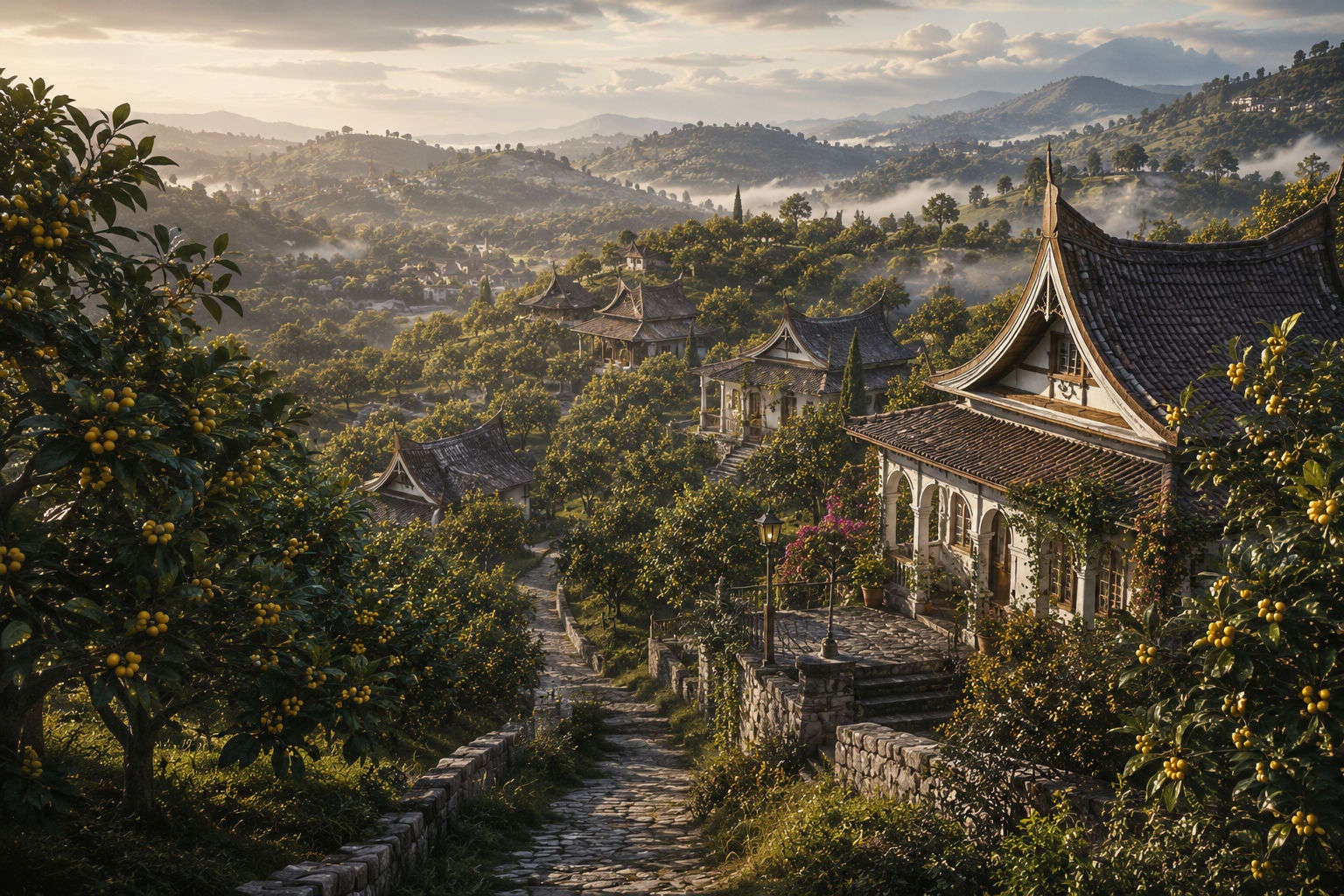
Commercial and subsistence cultivation of ţiyar occupies extensive contiguous belts; the same plantings supply raw material to cooperatives, licensed distilleries, and household processing, so that land-use categories frequently overlap on a single cadastral unit. Landscape character combines bench terracing, understory fog exposure typical of inland valley climate, and seasonal public assemblies. During Dovanya, municipal ordinances assign numerous groves to licensed harvest fairs, pressing cooperatives, and noise-regulated evening events governed under standard safety codes.
Salenar (city)
Salenar is the largest municipality in Maruen and hosts the regional seat of higher education, publishing, and salenar-export inspection infrastructure. Built-up land interdigitates with ţiyar plantations on surrounding hills; chamber yearbooks and tax assessors' occupation rolls list universities, food-chemistry laboratories, cooperage, and creative-industry firms among principal employers. Rail ticket ledgers and hotel registers show sustained arrivals tied to study, retirement relocation, and remote clerking; municipal height caps, narrow cart streets in the old wards, and preserved orchard easements along residential lanes keep the center walkable and low-rise by statute rather than by accident.
Salenar University
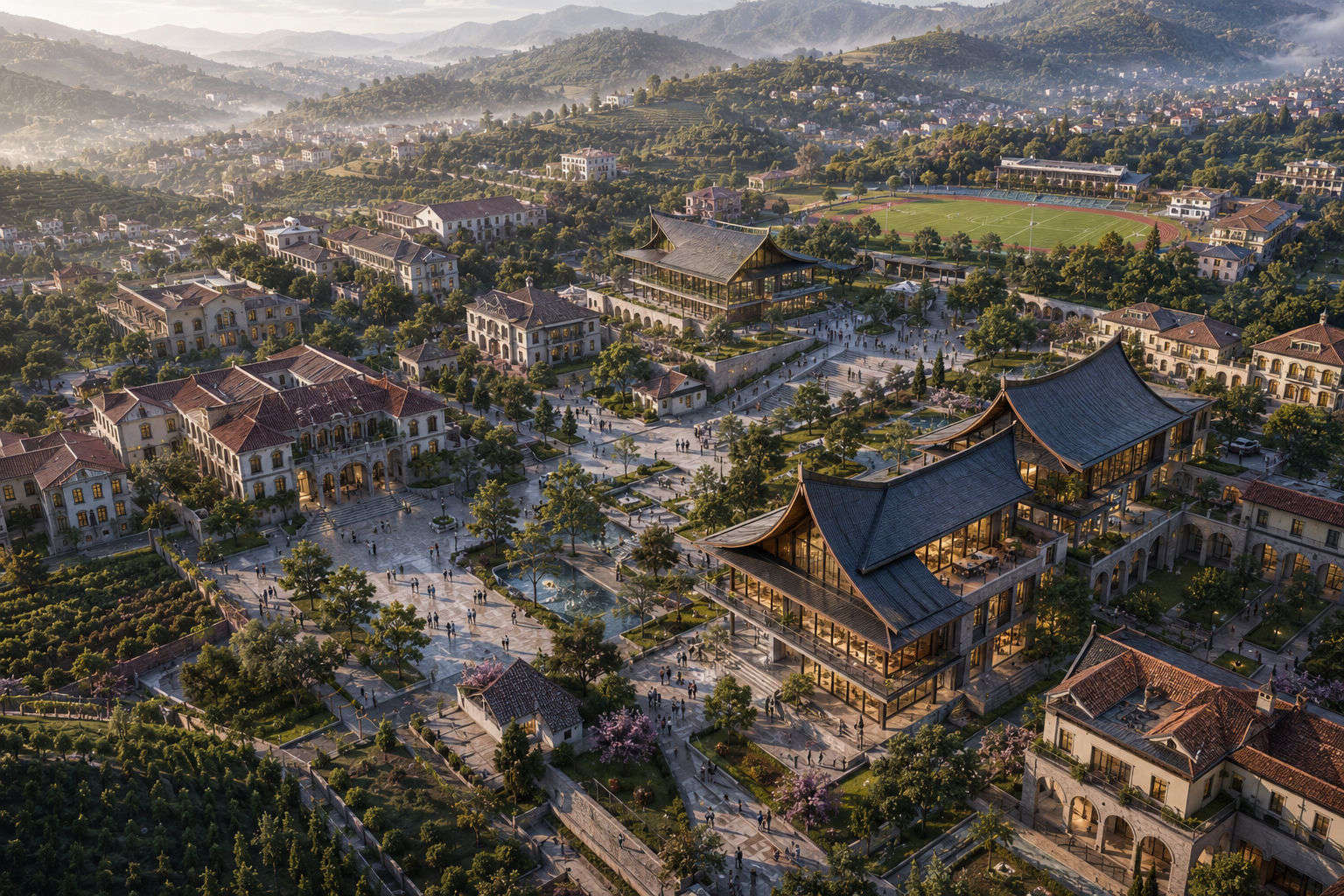
Salenar University is a major public research university and, in Education Ministry triennial reviews, consistently ranks among the leading institutions outside Hällarim. Declared strengths include humanities, environmental science, food science, agricultural engineering, literature, and social philosophy. Campus planning documents describe integration with steep topography (linked footpaths, hillside lecture blocks, orchard-adjacent courtyards, mixed historic and contemporary fabric); student beds and adjacent café-and-retail frontage expanded in tandem during the last two campus renewals.
Salenar (beverage)
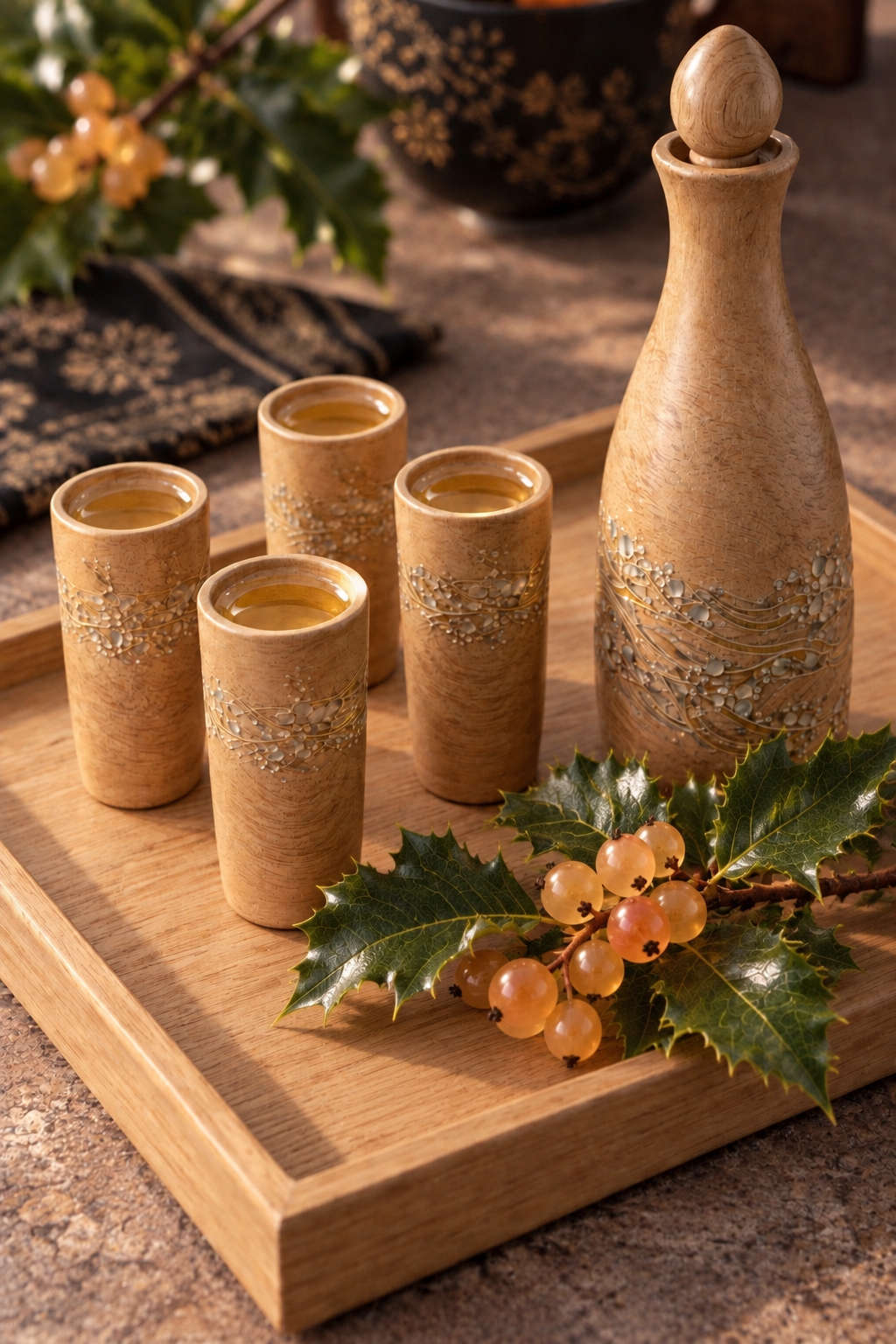
The term salenar further denotes a class of fermented orchard beverages originating in the Maruen hill zone; foreign-language sources often gloss the product as "sunwine." Guild tasting panels and export labels describe multi-stage fermentation of ţiyar and related pome fruits, with profiles commonly summarized as moderate acidity, floral top-notes, restrained sweetness, and layered cellar character. Consumption clusters in domestic hospitality, licensed autumn festivals, and restaurant service; production is open to licensed cellars island-wide, but geographic-indication statutes reserve certain premium grades for registered Maruen sites. The drink, its etiquette, and its reported effects are treated in the article on salenar.
Economy
Regional accounts identify agriculture, post-secondary education, domestic tourism, fermentation industries, and specialty food manufacturing as principal value-added sectors, with ancillary light manufacturing and business services linked to university spin-offs. Provincial yearbooks record that cyclical farm revenue is partly smoothed by non-farm payroll, while employment tallies still rise and fall with harvest calendars and academic term dates.
Transportation
High-speed rail and trunk highways provide scheduled connectivity to Hällarim, Hälvarinco, and Vërunar. Regional transport plans assign priority to feeder roads and branch lines serving medium-density settlements, scenic rail alignments used partly for tourism, and seasonal heavy-vehicle routes to orchard-processing cooperatives; Ministry of Works route hearings for new alignments routinely weigh visibility from tourist roads, because orchard excursions account for a growing share of ticket revenue.
Modern identity
Editorialists, school prospectuses, and inter-regional guidebooks often treat Maruen as the country's "interior"—a label tied to higher education, remembered foodways, and continuity of lowland scenery—while leaving metropolitan administration, coastal logistics, and alpine industry to other quarters of the island. The usage carries no constitutional weight, yet it has appeared with increasing regularity in national print since the late twentieth century.