Cënasa
Overview
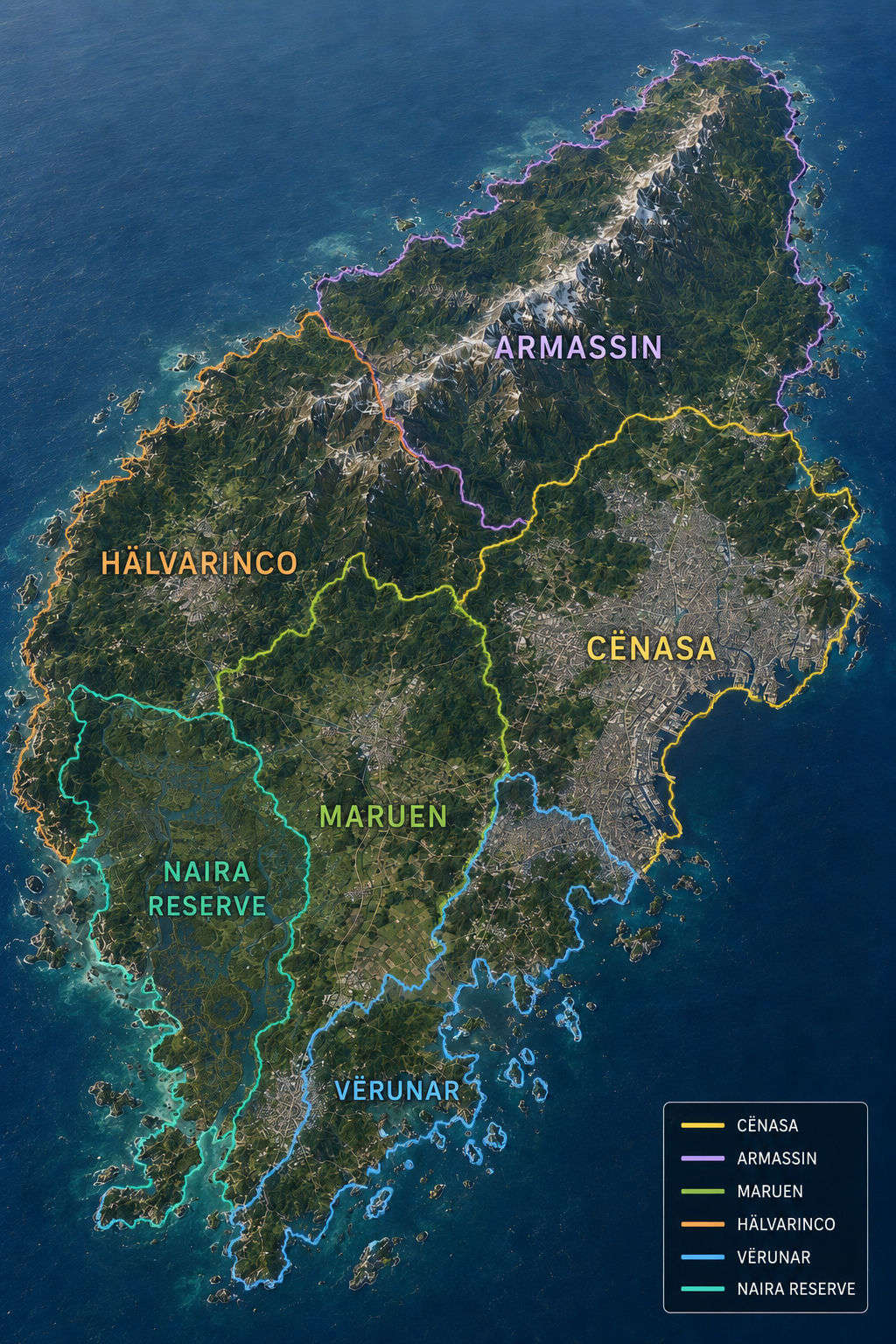
Cënasa is the historic and political heartland of Canassar and the most populous region of the country. It lies along the eastern coastal lowlands and the basins that open toward the Pacific—east of the central interior (chiefly Maruen) and the northwestern industrial coast—and contains the national capital, Hällarim, as well as the country's principal administrative institutions, financial centers, universities, and royal residences.
Historically associated with the dominant Cënasa confederation from which the modern state derives its name, the region has long served as the cultural and governmental center of Canassar. In contemporary usage, the distinction between "Cënasa" and "greater Hällarim" is often blurred, as metropolitan expansion has absorbed much of the surrounding basin into a continuous urban corridor.
Elsewhere in Canassar the basin is still treated as the reference for cultivated speech, public ceremony, and administrative polish: its architecture, cuisine, dress codes, school curricula, and court calendar are the versions other regions imitate, borrow from, or define themselves against.
Geography
Cënasa occupies the broad eastern basin beneath the island's central mountain spine, where rivers drain fertile valleys toward sheltered natural harbors and the coast enjoys comparatively mild maritime conditions. Fertile flood storage, good anchorages, and dense links along those valleys and shorelines (later reinforced by rail, road, and port works) encouraged large-scale urban concentration from an early period and still underpins the region's role as the principal lowland corridor for moving people, grain, and goods in bulk.
Inland from the heavily built shoreline, the landscape grades through wooded foothills, managed reservoirs, temple districts, and suburban garden communities rather than opening into wide stretches of unsettled upland.
History
The region emerged as a dominant political force during the Age of Rival Courts (c. 300–900 CE), when competing Cënasa dynasties consolidated control over neighboring territories through military campaigns, strategic marriages, and bureaucratic integration.
By the late medieval period, Cënasa had become the administrative core of the unified Canassarene state. The region's aristocratic courts, monastic schools, and archival institutions played major roles in standardizing the Canassarene writing system, court ritual, architectural norms, calendrical systems, and state examinations and scholarly culture. From the late nineteenth century onward, Hällarim in particular absorbed successive waves of industrial investment, harbor dredging, rail grading, and postwar reconstruction, each phase thickening the ring of suburbs and logistics parks around the older civic core.
Hällarim
Overview
Hällarim is the capital and largest city of Canassar, forming the political, economic, and cultural nucleus of the country. The city occupies a vast coastal basin on the eastern side of the island and contains approximately one quarter of the national population within its greater metropolitan area.
The city is known domestically for its highly ordered urban planning, layered architectural identity, and concentration of national institutions. For many Canassarene citizens it is where late metros, embassy rows, and winter light on glass feel most concentrated—where "the country" is easiest to picture as an international capital.
International travel writing often cites parallels to large East Asian cities for scale, harbor lighting, and vertical transit; domestic guidebooks reply that such shorthand understates the weight of palace processions and the seasonal rhythm of civic ritual still anchored to the eastern basin.
Estanya Ţalsën Amani

Estanya Ţalsën Amani ("Eternal Garden Palace") is the Twin-Aspect Sovereigns' official ceremonial residence and one of Canassar's most recognizable landmarks: a sprawling interconnected complex worked directly into its terrain, where bridges, elevated walkways, terraced gardens, ravines, streams, and waterfalls belong to the grounds as much as any roofed hall. Its architecture is famous for steep layered roofs, elevated timber, living vegetation woven into the built fabric, deliberately framed sightlines and landscapes, and extensive use of Canassarene cypress.
The whole ensemble stresses continuity between building and landscape—ravines, streams, slopes, gardens, and vistas read as extensions of ceremonial space—so processions and audiences move through living terrain and enclosed halls as parts of a single experience. In the modern era it remains an active ceremonial and diplomatic center.
Ulan Serëin Aris
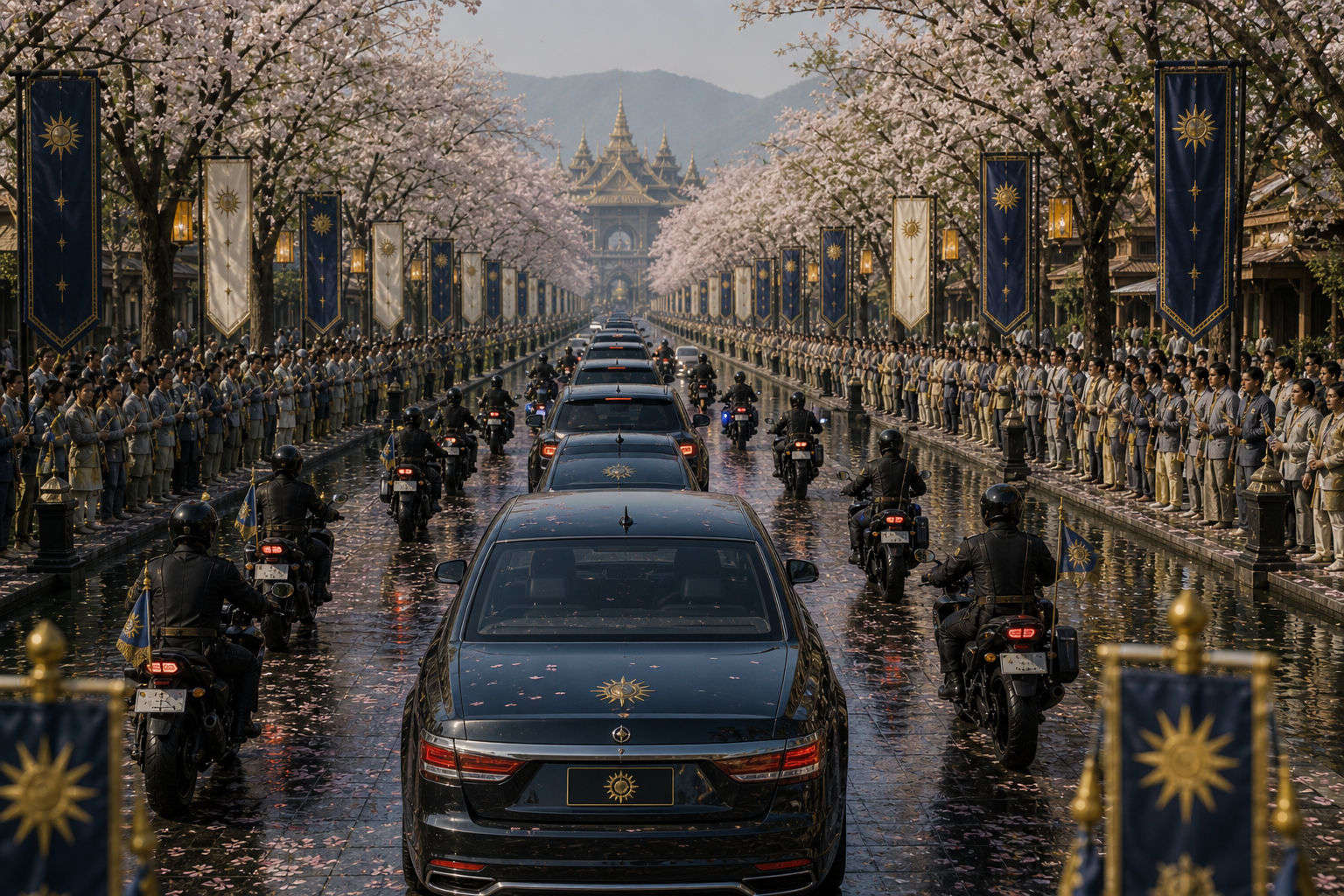
Ulan Serëin Aris ("Blossom-fall Way") is the grand ceremonial avenue linking central Hällarim to the palace district, famous for pale-gold rows of seyhindäl that shed lightly in transitional seasons and carpet the roadway in drifting petals—a spectacle foreign visitors often call, informally, the "Golden Road." It carries state processions, seasonal parades, diplomatic ceremonies, and public festivals, and during Idarin its sightlines fill with festival dress, school parties, and the tripod lines of photographers recording the blossom fall.
Serëin Aris
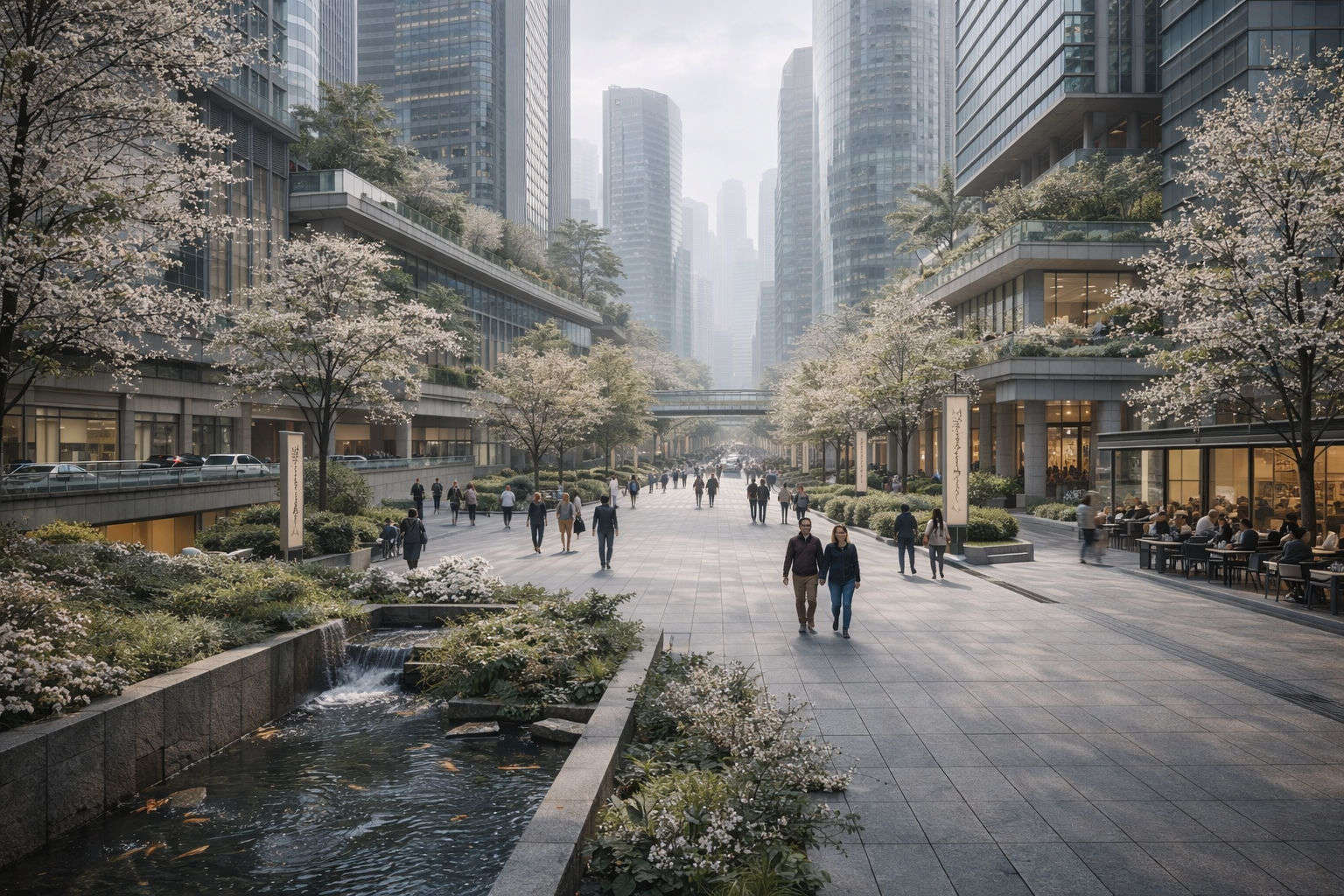

Serëin Aris is Hällarim's principal financial and administrative district, a compact core where major banking headquarters, ministries and government offices, national corporate towers, transportation interchanges, and luxury hotels and retail complexes crowd the blocks and avenues. Despite concentrated towers and heavy traffic, the district is still widely noted for extensive green integration, pedestrian circulation, and visual coherence across towers, plazas, and street walls; beneath it runs a major metro and HSR interchange that connects Hällarim to the wider national rail network.
Sëmaril night market
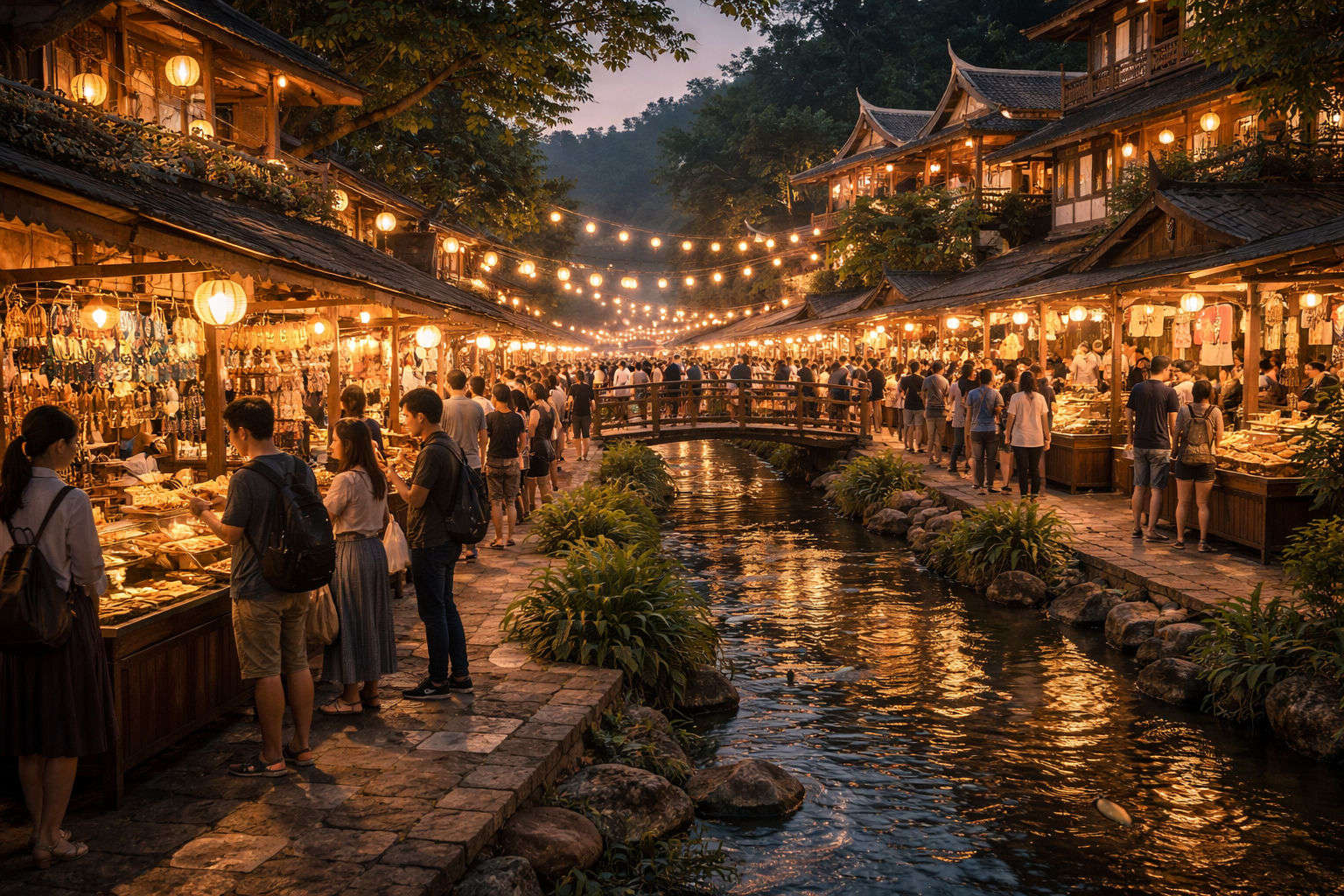
Sëmaril counts among the busiest evening food markets in Canassar and doubles as a familiar landmark on the mental map of Hällarim; chiefly an evening market, it is known for grilled seafood, skewered meats, noodle stalls, confectionery vendors, seasonal festival foods, and artisanal crafts, and remains heavily patronized by local residents and visitors alike. Winter weeks during Usca bring the densest crowds, when steam, lantern light, and shoulder-to-shoulder movement along the aisles supply much of the city's informal portrait of itself at year's end.
Hällarim University
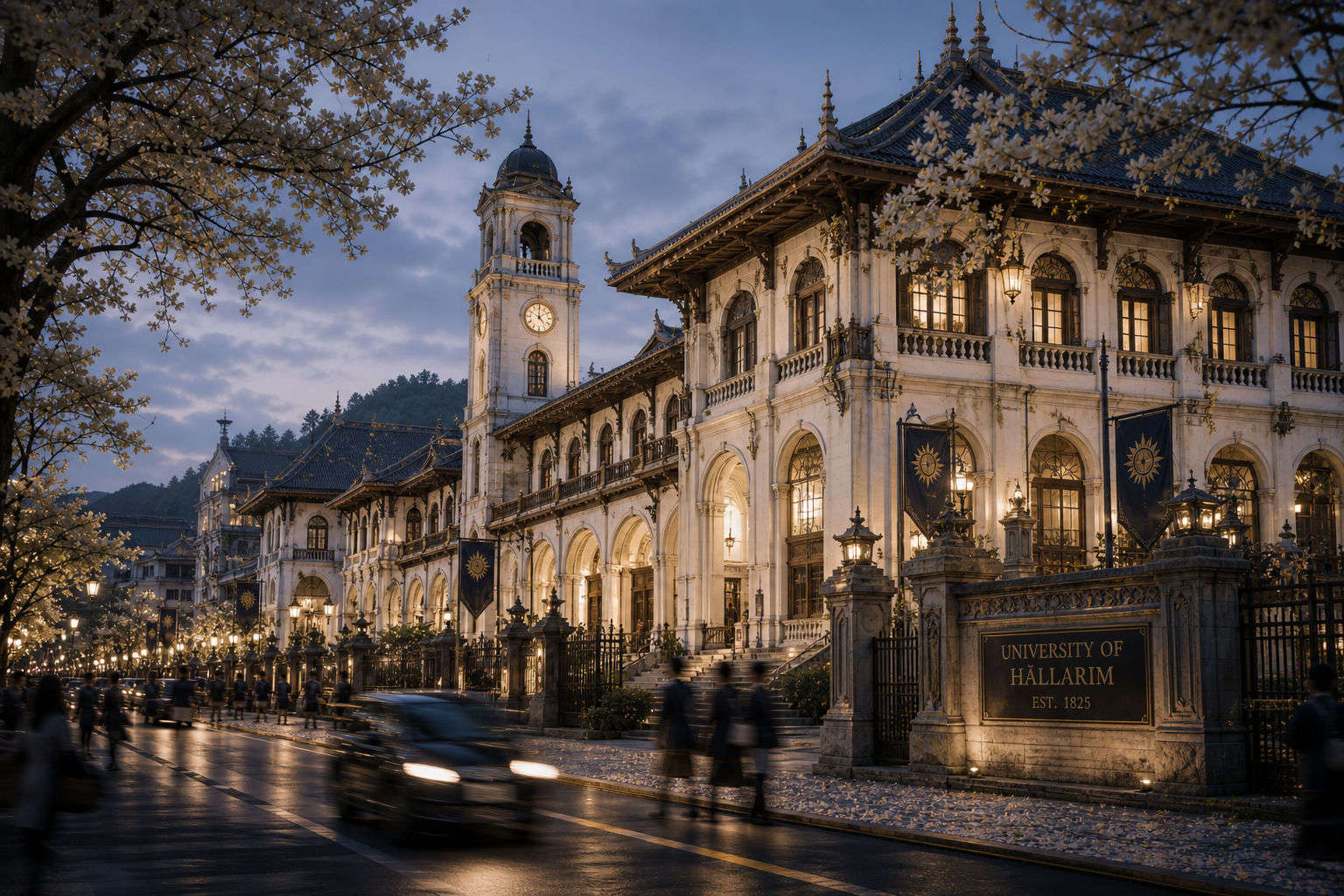
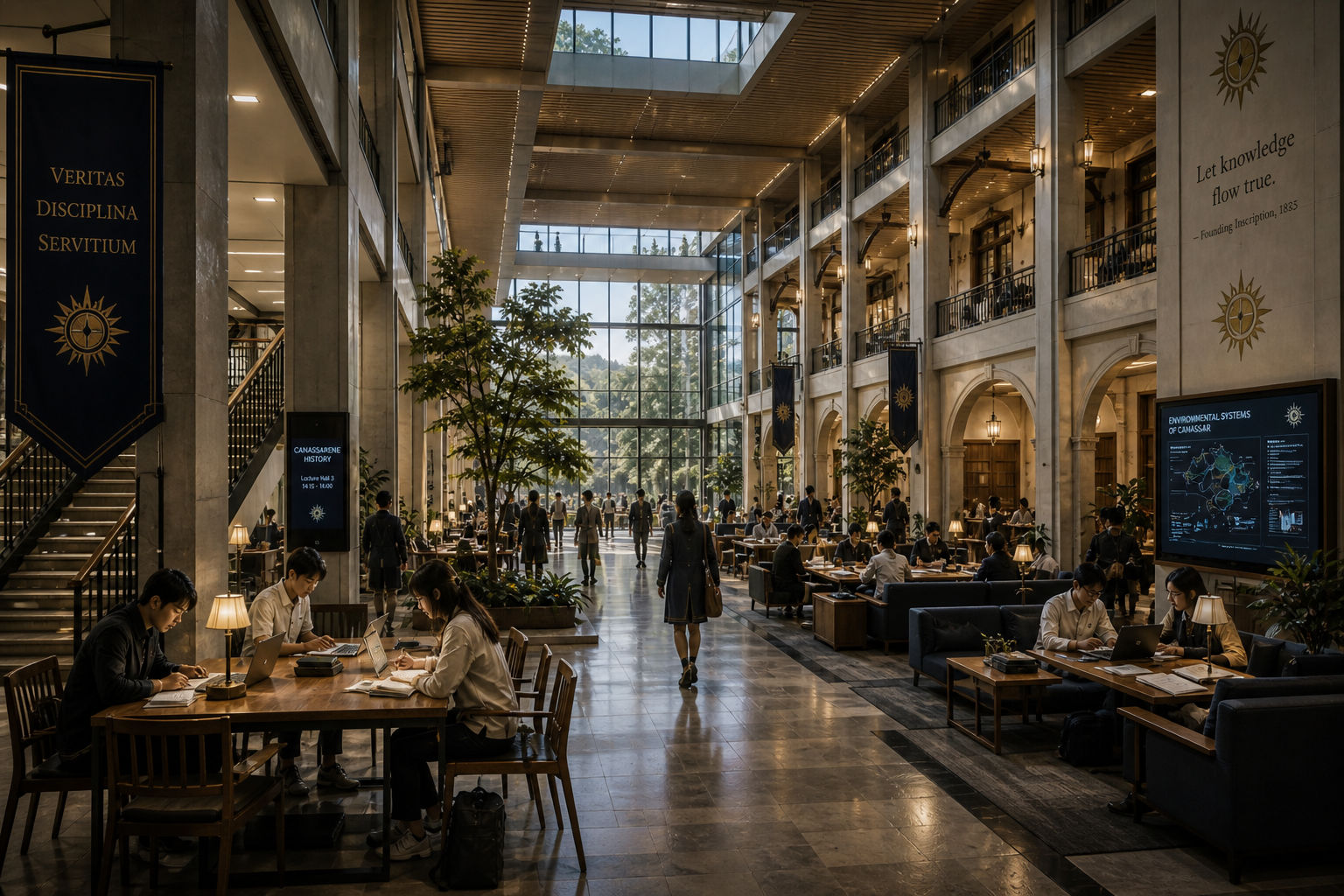
Hällarim University is routinely placed first in Education Ministry rankings, counts among the country's oldest continuously operating academic institutions, and traces its origins to monastic and archival schools attached to court institutions during the medieval period and, across later centuries, to their consolidation as a modern research university with strong international standing. It is especially known for political studies, linguistics, environmental sciences, engineering, medicine, and cybersecurity and intelligence research.
Architecturally, the university is notable for preserving historical facades while integrating advanced interiors and infrastructure; several buildings combine Canassarene roof forms, timber detailing, Portuguese-influenced masonry exteriors, and contemporary laboratory systems. Its facilities are distributed across multiple districts of Hällarim rather than gathered on one enclosed campus.
Culture
National radio drama, civil-service handbooks, and school speech contests still treat Cënasa pronunciation and letter-writing models as the unmarked "standard", whatever regional speakers prefer at home. The same sources associate the basin with long institutional memory, punctual ceremony, and paperwork that arrives on time.
Within broader Canassarene culture, Cënasa residents are sometimes jokingly described as "people who schedule tea"; though the label is playful, it reflects the region's reputation for organization, precision, and cultivated social formality.
Transportation

Cënasa possesses the country's densest transportation network, including metro systems, national HSR hubs, port infrastructure, elevated expressways, and ferry terminals; Hällarim International Airport remains the busiest scheduled gateway for overseas passengers and air freight.
Modern identity
Today, Cënasa represents both the historical continuity of the Canassarene state and the country's most globally connected urban region, and to many citizens elsewhere in Canassar it is admired, occasionally teased, and sometimes resented—yet almost always treated as the place where new fashions in dress, diction, and policy tend to appear before they drift outward to the provinces.